
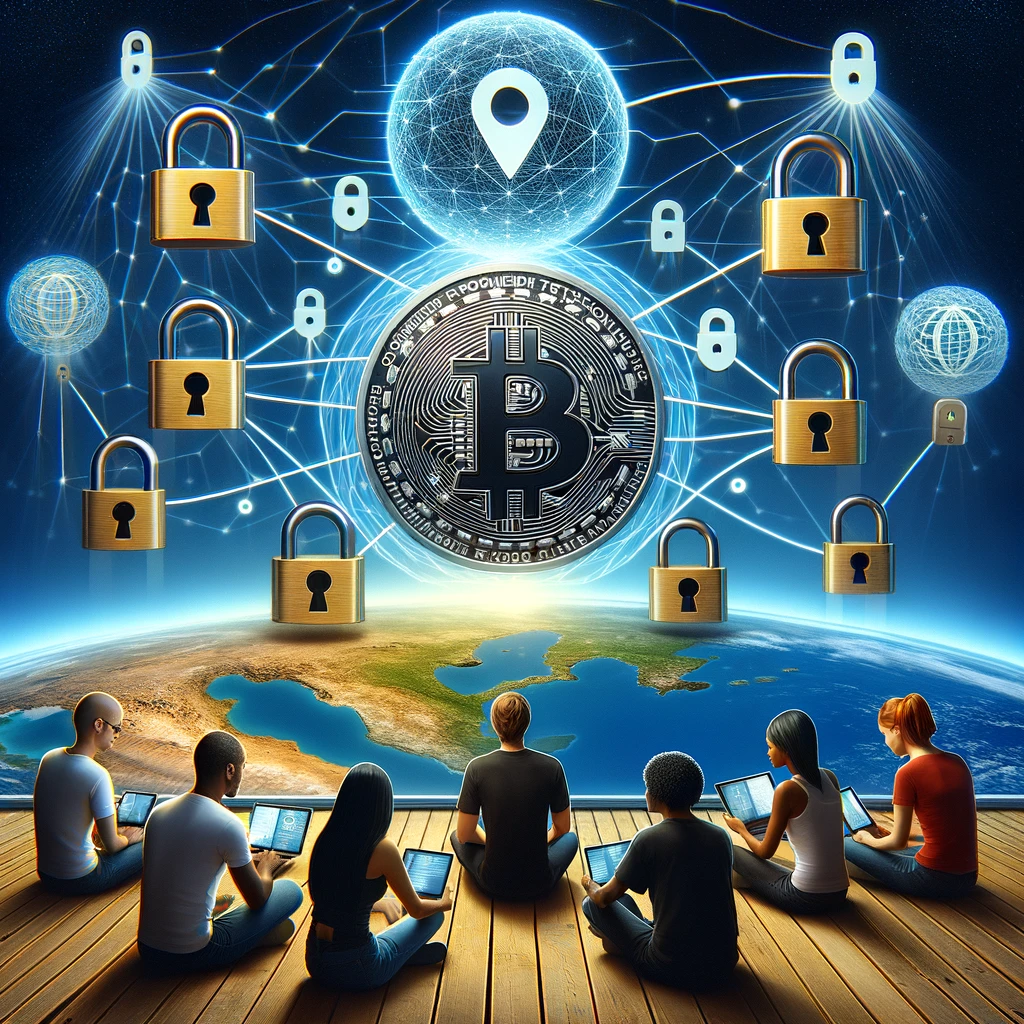
In an era where digital footprints are currency and privacy is under siege, sovereign technologies like Bitcoin, Tor, and Nostr have emerged as bastions of freedom. These platforms not only empower individuals with the ability to control their digital autonomy but also provide a bulwark against the burgeoning threats of identity theft and phishing scams. This blog post delves into the vital intersection of privacy, freedom, and technology, exploring how sovereign tech offers a path to both security and liberty.
Privacy: The Cornerstone of Freedom
Privacy is a fundamental human right intricately linked to the concept of freedom. It allows individuals to think, communicate, and act without unwarranted interference or surveillance. In our digital lives, privacy is the bedrock upon which we build our identities, safeguard our finances, and express our opinions. Without privacy, freedom becomes a hollow term, subject to the whims of those who control the data.
The importance of privacy is amplified in the face of constant monitoring by various entities. Every online move is tracked, cataloged, and often monetized. In this environment, sovereign technologies stand out by offering a shield of anonymity and security.
Bitcoin: Financial Freedom and Security
Bitcoin is the vanguard of sovereign technology. It is not just a cryptocurrency but a symbol of financial self-sovereignty. By decentralizing the control of money, Bitcoin strips away the power from centralized financial institutions and returns it to the individual. Transactions on the blockchain are secure, pseudonymous, and resistant to censorship. This reduces the risk of identity theft since personal information is not tied to one's Bitcoin wallet in the same way it is tied to a bank account.
Tor: Anonymity in an Age of Surveillance
Tor, short for The Onion Router, is another critical tool in the privacy arsenal. It facilitates anonymous web browsing by directing internet traffic through a free, worldwide, volunteer overlay network, consisting of more than seven thousand relays. This maze of encrypted connections makes it extremely difficult for anyone to trace a user's location or browsing habits, thus significantly reducing the potential for identity theft and phishing attacks.
Nostr: A New Hope for Decentralized Communication
Nostr, short for Notes and Other Stuff Transmitted by Relays, is a relatively new protocol that could revolutionize social communication. It gives users control over their data, ensuring that their communications remain private and secure. Nostr can prevent phishing by removing the centralized vectors that hackers typically exploit.
The Danger of Trading Freedom for Safety
The narrative often presented by politicians, media, banks, and corporations is one of fear—fear of financial instability, cyber threats, and identity theft. While these issues are real, the proposed solutions often come at the cost of personal freedom. The argument that freedom must be compromised to ensure safety is a false dichotomy. In fact, sovereign technologies prove that safety can be enhanced without sacrificing freedom.
The Illusion of Safety in Centralization
Centralized platforms are perceived as safer due to their size and influence. However, their concentration of data makes them prime targets for malicious actors. When these repositories are breached, the fallout is catastrophic. Sovereign technologies, by their decentralized nature, distribute risk and make system-wide failures less likely.
The Emergence of Freedom Technologies
Freedom technologies like Bitcoin, Tor, and Nostr are not just tools; they represent a movement towards inverting the current power structure. They symbolize the possibility of a world where individuals can communicate, transact, and exist without the overreach of centralized authority. However, the road to widespread adoption is paved with challenges, including resistance from the very power structures these technologies aim to displace.
Awareness and Adoption: The Twin Pillars of Change
Creating awareness around sovereign technologies is the first step towards a paradigm shift. People must understand the value of their digital privacy and the power of the technology at their disposal. Adoption follows awareness. As more individuals begin to use these technologies, their benefits become more evident, and their influence grows.
Conclusion: The Dawning of a New Era of Freedom, Peace, and Prosperity
The potential of sovereign technologies to herald an age of freedom, peace, and prosperity is within our grasp. They can dismantle the age-old narrative that for safety, one must relinquish freedom. By choosing to support and adopt these technologies, we choose to empower ourselves and future generations with control over our digital lives. The power inversion that comes with these technologies is not just possible; it is inevitable, provided we remain committed to the cause of freedom and resist the allure of false safety.
The promise of sovereign technologies is profound. They offer a future where the individual is paramount, and the collective power of these technologies safeguards both our freedom and our security. The power structure of tomorrow need not be one of centralization and control but one of decentralization and liberty. The revolution will not be centralized; it will be distributed across blockchains, across nodes, and within the very fabric of the internet itself.