Bitcoin Magazine

How The IMF Prevents Global Bitcoin Adoption (And Why They Do It)
The Global Pattern
In recent years the IMF has:
- Successfully pressured El Salvador to (de facto) drop Bitcoin as legal tender, and rollback other Bitcoin policies
- Successfully pressured CAR’s 2023 Bitcoin repeal through regional banking bodies
- Been responsible for the lack of follow through from Bitcoin campaign rhetoric to action from Milei in Argentina.
- Cited “serious concerns” with Pakistan’s Bitcoin plans
- Consistently framed crypto as a “risk” in loan negotiations
Here’s a summary
Country
GDP ($ Billion)
IMF Loan ($ Billion)
IMF Loan as % of GDP
IMF response
Result
Argentina
670
54.8
8.18%
Bitcoin policy abandoned
Central African Republic
2.56
0.272
2.31%
Bitcoin policy abandoned
El Salvador 2.0 (post-2025)
34.87
1.4
4.01%
5 Bitcoin laws abandoned
Pakistan
346.79
9.35
2.70%
TBD
El Salvador 1.0 (2021-2024)
34.87
0
0%
Bitcoin maintained
Bhutan
2.9
0
0%
Bitcoin maintained
As we can see, the only nations that were able to resist IMF pressure were El Salvador, prior to gaining an IMF loan, and Bhutan which does not have an IMF loan.
Each country with an IMF loan who has adopted, or attempted to adopt Bitcoin at a nation-state level has been successfully thwarted, or largely thwarted by the IMF.
How is it that the IMF has been so successful in preventing global nation state adoption, with the exception of Bhutan, and why do they aggressively move to prevent it?
In this detailed report we do a deep-dive into each of the three nations where the IMF has successfully pushed back against Bitcoin adoption, and the signs that it is likely to be successful achieving the same result with Pakistan.
In the last section of this report, we look at the IMFs five reasons to fear Bitcoin, and how Bitcoin is still thriving from a grassroots level despite top-down Bitcoin abandonment, or partial abandonment, by various nation states.
1. Central African Republic: When Colonial Money Met Digital Hope

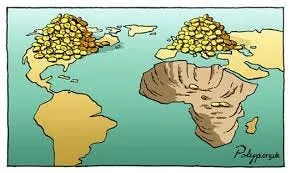
The Central African Republic (CAR) uses the CFA franc. The CFA isn’t just currency—it’s a geopolitical chain, backed by France and governed by the Bank of Central African States (BEAC). Of its 14 member nations, the 6 Central African nations (including CAR) must still deposit 50% of foreign reserves in Paris.
This control over reserves fosters economic dependency, while establishing export markets for French goods at favorable terms. In 1994 for example, the CFA was devalued by half, a policy that was influenced by Western pressure, particularly from the IMF. This caused the cost of imports to leap, leading to exporters (mainly EU based) being able to procure resources from CFA nations at half the cost. Locally the impact was devastating, leading to wage freezes, layoffs, and widespread social unrest across CFA countries.
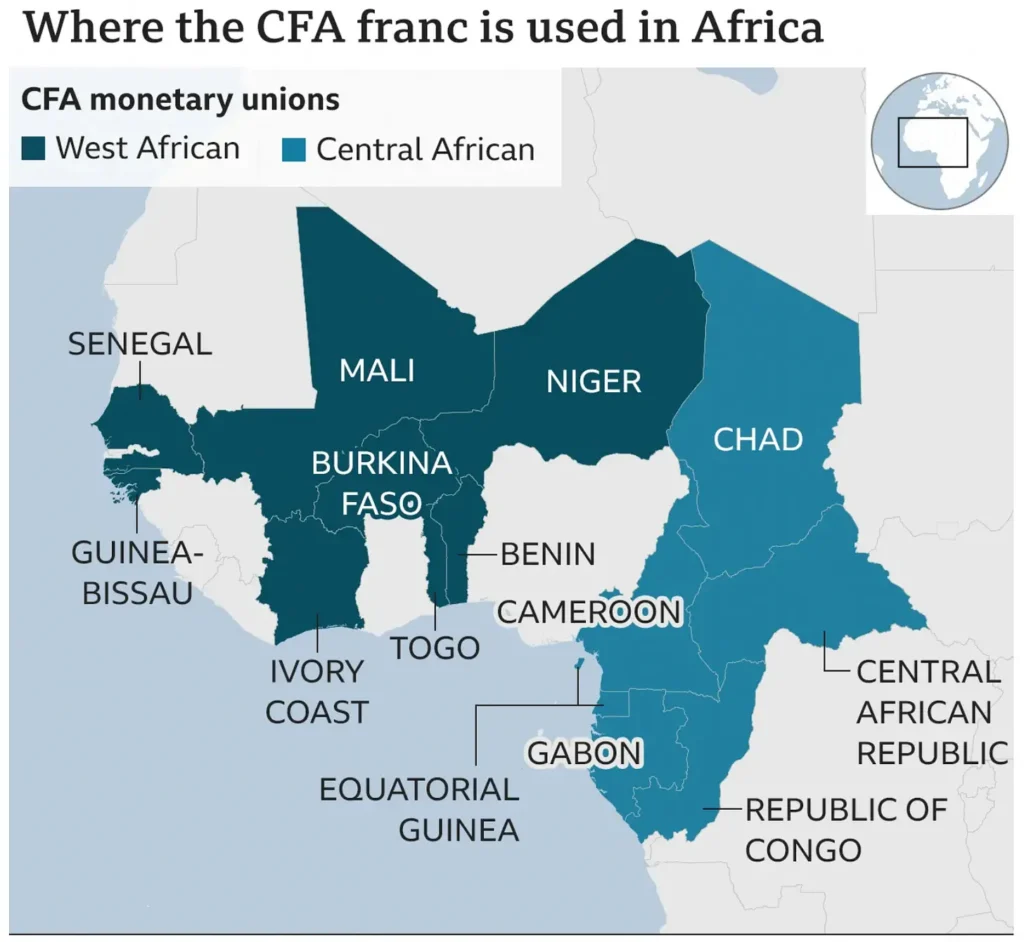
When the Central African Republic (CAR) announced in 2022 it was adopting Bitcoin as legal tender, BEAC and its regulatory arm COBAC immediately voided the law, citing violations of the CEMAC Treaty; The treaty which established the economic and monetary community of Central Africa. This wasn’t bureaucracy—it was a warning shot from the monetary guardians of la Françafrique.
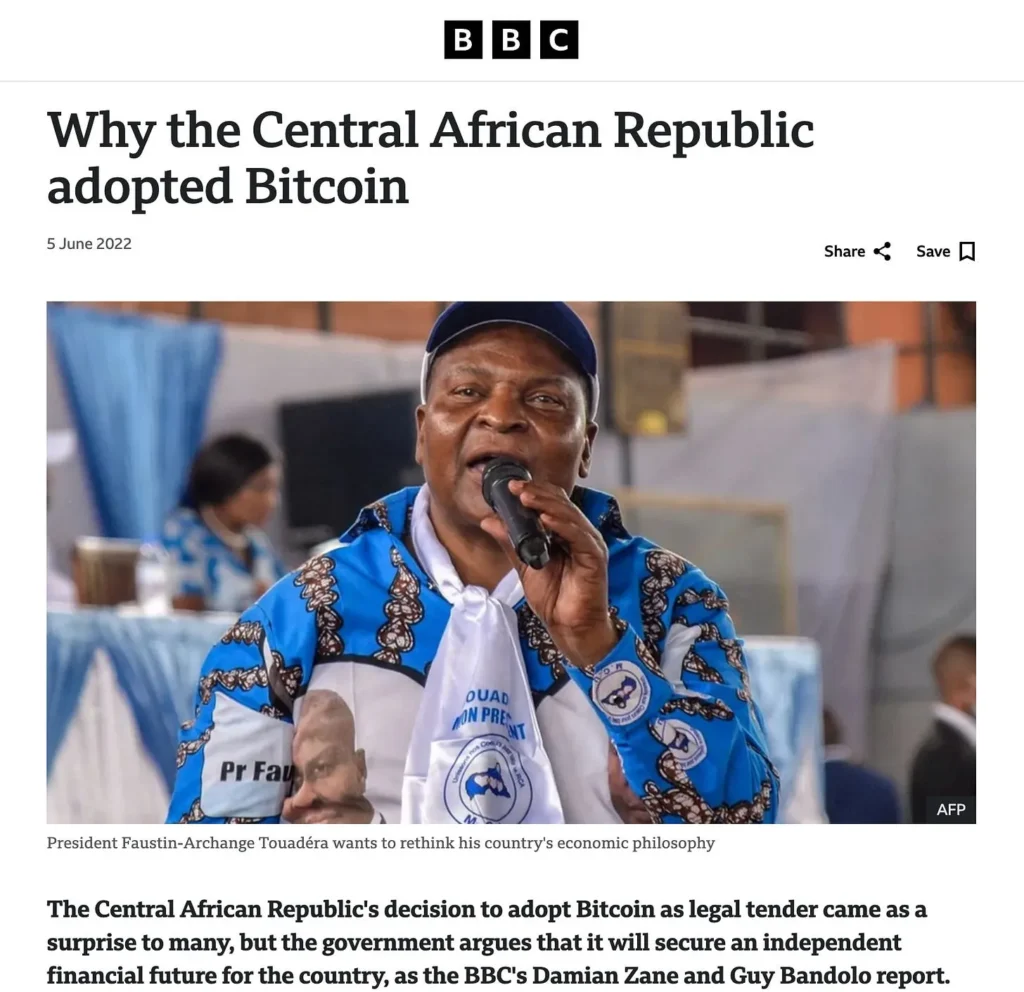
Why it mattered: To this day, CAR’s economy relies heavily on IMF bailouts. With $1.7Billion in external debt (61% of GDP), defying BEAC meant risking financial isolation.
The IMF’s Silent Campaign
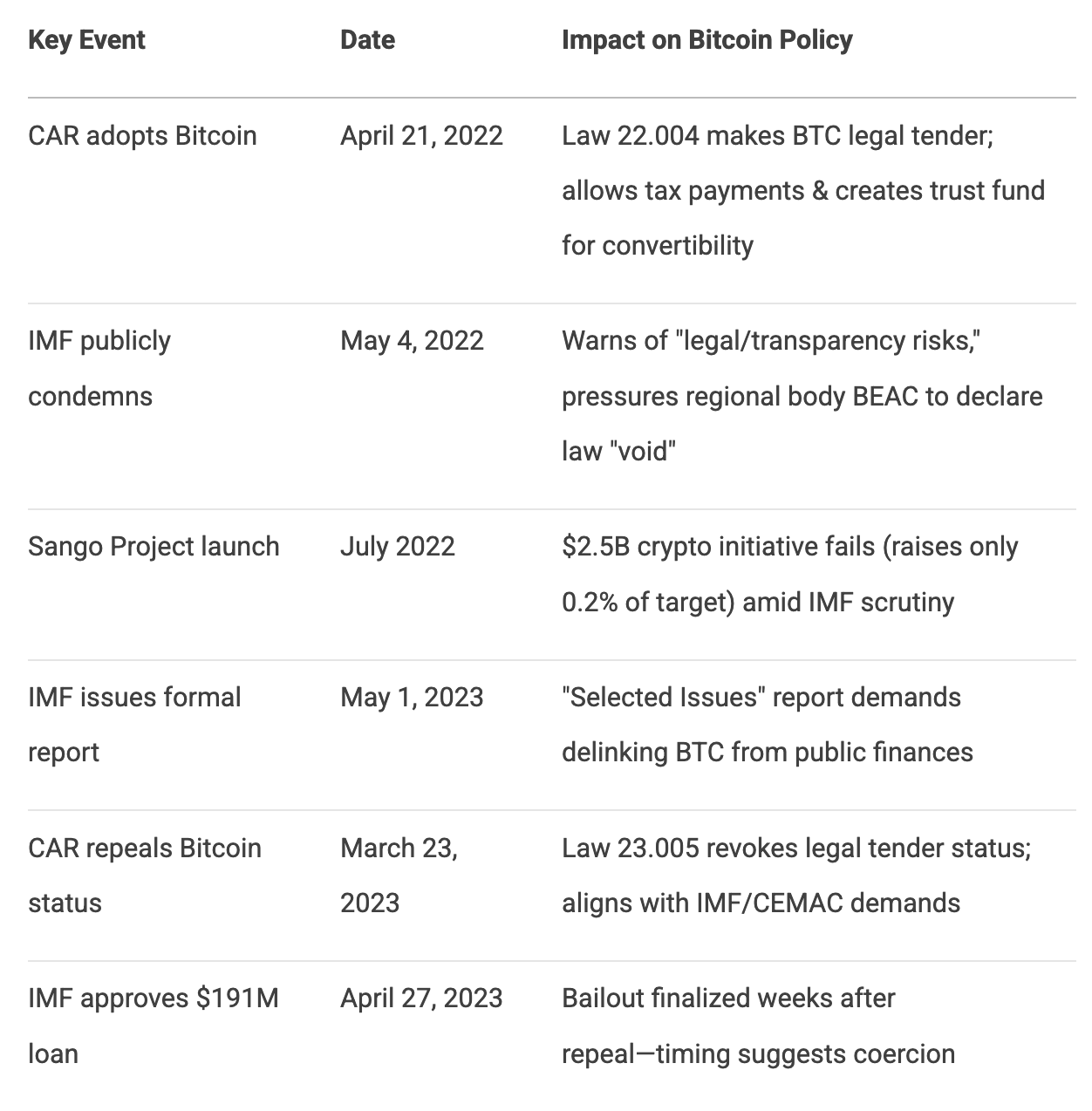
The IMF moved fast. Within two weeks (May 4, 2022), it publicly condemned CAR’s “risky experiment,” citing legal contradictions with CEMAC’s crypto ban. The move raised “major legal, transparency, and economic policy challenges,” the IMF said, that were similar to the concerns the IMF raised about El Salvador’s Bitcoin adoption: risks to financial stability, consumer protection, and fiscal liabilities. (For context, none of those risks materialized in El Salvador).
But their real weapon was leverage. As CAR’s largest creditor, the IMF tied its new Extended Credit Facility (ECF)—a $191M lifeline—to policy compliance.

The Timeline That Tells All
This table traces the IMF’s shadow campaign:
Key to scuttling CAR’s Bitcoin ambitions was ensuring that the Sango project — a blockchain-hub initiative from the CAR government to sell “e-residency” and citizenship for $60K in Bitcoin — did not proceed.
The Sango Project – coincidence or collusion?
In July 2022, CAR launched the Sango Project. It aimed to raise $2.5B (100% of GDP).
It failed catastrophically. By January 2023, only $2M (0.2% of target) was raised. While IMF reports cite “Technical obstacles with 10% internet penetration” as the reason for the failure, our analysis shows a different picture. Two factors scuttled the project.
- Investor flight
- A CAR Supreme Court ruling formally blocked the Sango project
However, on closer examination, both of these factors hint at IMF involvement.
Let’s take a closer look at the evidence.
Investor Flight
The IMF’s role in this investor flight is circumstantial but compelling. On May 4, 2022, the IMF expressed concerns about CAR’s bitcoin adoption, stating it raised major legal, transparency, and economic policy challenges. This statement, made before the Sango Project launch, highlight