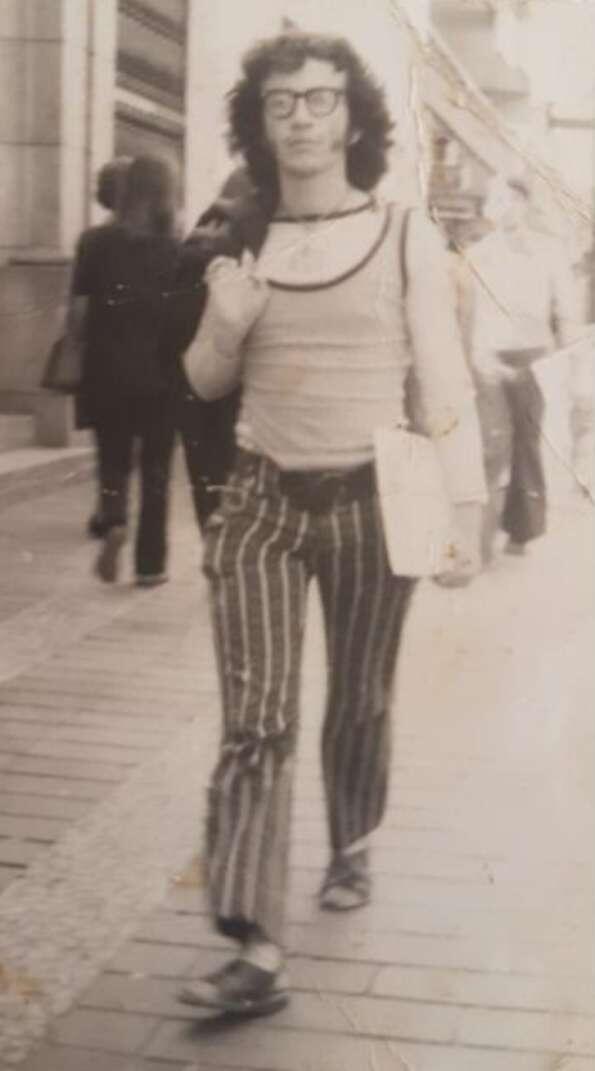
Posthumous work of the Colombian poet born in Don Matias on January 20, 1948.
Welcome to this blog dedicated to the Posthumous work of the Colombian poet Francisco Luis Arroyave Tabares (my father), born in Don Matias on January 20, 1948-2010. Where I will be publishing each of the 175 sonnets from his unpublished collection 'Sonnets For The Twenty-First Century And A Circadian Musical (1984-1987).' Analyzed with GPT4 artificial intelligence and illustrated with AI tools... I hope you enjoy this garden of words snatched from the solitude of a locked room.
Likewise, any enthusiast of the sonnet form is invited to conduct their personal studies of Arroyave Tabares' work, as it is a collection that, although registered since 1989, has not yet been published.
Frank Duna

Analysis "Thinking Of Love"
Introduction
This sonnet beautifully captures the essence of love - its transformative power, its ability to bring hope and joy, and its potential to fulfill dreams.
Thematic Analysis
In the octave, the speaker expresses the transformative power of love, describing how the arrival of the beloved has brought joy and light into their life. The octave uses vivid imagery to convey the depth of the speaker’s feelings, such as “One thousand or more worlds behind my mind / Since you arrived have been happily born”. The octave ends with a sense of unity and understanding between the lovers, despite the darkness that surrounds them.
The sestet shifts the focus to the physical and intimate aspects of their relationship. The speaker describes the act of kissing the beloved’s lips and reading in silence what they have done, suggesting a deep connection and understanding between them. The sestet ends with a sense of completeness and a hint of transience, acknowledging that their beautiful dreams may one day come to an end.
Overall, the sonnet explores the themes of love, unity, intimacy, and transience, using rich imagery and emotional language to convey the depth and complexity of these feelings. The structure of the sonnet, with its division into an octave and a sestet, allows the poet to explore different aspects of these themes and to create a sense of progression and development in the speaker’s reflections on love.
Rhyme Scheme
The sonnet “Thinking Of Love” by Francisco Luis Arroyave Tabares follows the rhyme scheme ABBA ABBA CDC DCD. Let’s break it down:
The octave (the first eight lines) has the rhyme scheme ABBA ABBA:
A: One thousand or more worlds behind my mind
B: Since you arrived have been happily born
B: With cheer our souls have killed all drear and scorn
A: And night sings with lights of many a kind.
A: This eve, thinking of love, our thoughts we bind
B: And our hearts have accepted our return
B: After the many things that we have sworn
A: And since, even at dark, our eyes we find.
The sestet (the last six lines) has the rhyme scheme CDC DCD:
C: I slowly kiss your lips to see you smile
D: As I read in silence what you have done
C: And almost smell your blood that has no guile.
D: While we feel complete and no more lone
C: Beautiful dreans have been by for a while
D: In one of them, for sure, we will be gone.
This rhyme scheme is a variation of the Petrarchan sonnet form, which typically follows the ABBA ABBA CDE CDE rhyme scheme. The variation in the sestet’s rhyme scheme allows for a more complex exploration of the poem’s themes and adds a unique rhythm and flow to the poem. It also creates a sense of progression and development in the speaker’s reflections on love. The change in rhyme scheme from the octave to the sestet often signals a shift in theme or tone, which is evident in this sonnet. The octave focuses on the transformative power of love, while the sestet explores the physical and intimate aspects of their relationship. The rhyme scheme helps to highlight these shifts and adds depth and complexity to the poem.
Additional Aspects
Let’s delve deeper into the analysis of “Thinking Of Love” by Francisco Luis Arroyave Tabares:
Language and Imagery: The language used in the sonnet is rich and evocative, creating vivid images that engage the senses. For instance, “One thousand or more worlds behind my mind / Since you arrived have been happily born” uses cosmic imagery to convey the transformative power of love. Similarly, “And night sings with lights of many a kind” uses auditory and visual imagery to depict a scene of joy and brightness. The language is also deeply emotional, reflecting the speaker’s profound feelings for the beloved.
Themes: The sonnet explores several themes, including love, unity, intimacy, and transience. Love is depicted as a powerful and transformative force that brings joy, light, and understanding. The theme of unity is expressed through the speaker’s sense of connection and intimacy with the beloved, while the theme of transience is hinted at in the final lines of the sestet, acknowledging the fleeting nature of their beautiful dreams.
Meter: The sonnet appears to follow the iambic pentameter, which is the most common meter in English poetry and is often used in sonnets. This means each line consists of five metrical feet, each foot being made up of two syllables, the first unstressed and the second stressed. This creates a rhythmic pattern that adds a musical quality to the poem.
Overall: The sonnet is a beautiful exploration of love and its various facets. The use of rich language and vivid imagery enhances the emotional depth of the poem, while the themes of love, unity, intimacy, and transience add layers of meaning. The structure of the sonnet, with its division into an octave and a sestet, allows the poet to explore different aspects of these themes and to create a sense of progression and development in the speaker’s reflections on love. The meter adds a rhythmic and musical quality to the poem, enhancing its aesthetic appeal. Overall, the sonnet is a powerful and moving expression of love and its transformative power.
(GPT4)
Syllable count for each line.
Thinking Of Love


10 One thousand or more worlds behind my mind
10 Since you arrived have been happily born
10 With cheer our souls have killed all drear and scorn
10 And night sings with lights of many a kind.

10 This eve, thinking of love, our thoughts we bind
10 And our hearts have accepted our return
10 After the many things that we have sworn
10 And since, even at dark, our eyes we find.

10 I slowly kiss your lips to see you smile
10 As I read in silence what you have done
10 And almost smell your blood that has no guile.
9   While we feel complete and no more lone
10 Beautiful dreans have been by for a while
10 In one of them, for sure, we will be gone.
                              ***
Sonnets For The Twenty First Century And A Circadian Musical Written By Francisco Luis Arroyave Tabares (1984-1987)
Analyzed by GPT4; Image by leonardo.ai
First published on Nostr Protocol by franciscoarroyavet@nostrplebs.com
 Thinking Of Love