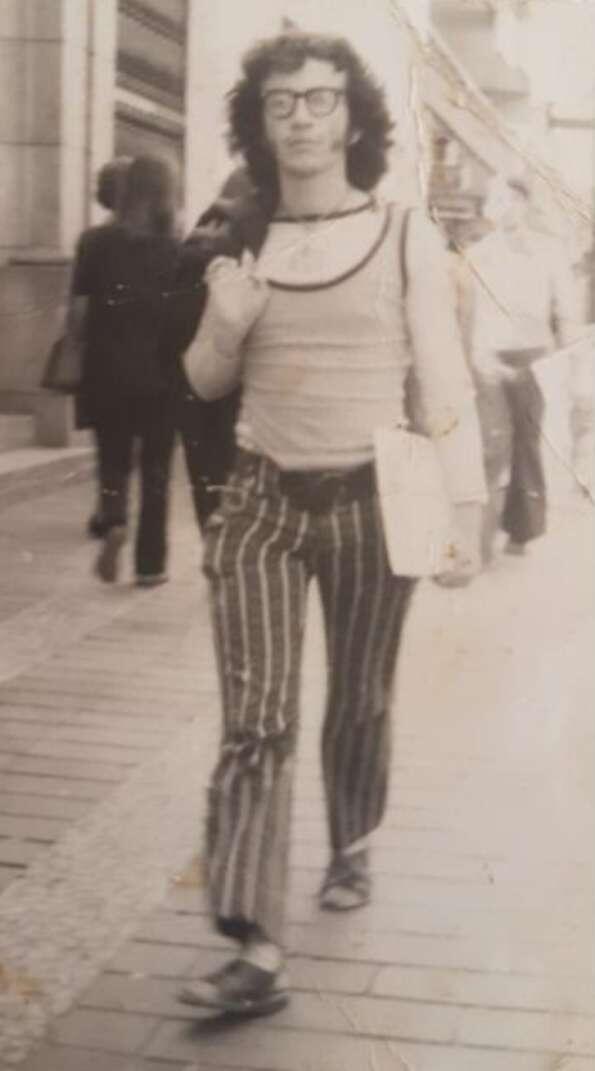
Posthumous work of the Colombian poet born in Don Matias on January 20, 1948.
Welcome to this blog dedicated to the Posthumous work of the Colombian poet Francisco Luis Arroyave Tabares (my father), born in Don Matias on January 20, 1948-2010. Where I will be publishing each of the 175 sonnets from his unpublished collection 'Sonnets For The Twenty-First Century And A Circadian Musical (1984-1987).' Analyzed with GPT4 artificial intelligence and illustrated with AI tools... I hope you enjoy this garden of words snatched from the solitude of a locked room.
Likewise, any enthusiast of the sonnet form is invited to conduct their personal studies of Arroyave Tabares' work, as it is a collection that, although registered since 1989, has not yet been published.
Frank Duna

Analysis "No More Time To Cry"
Introduction
This sonnet "No More Time to Cry", explores themes of love, loss, longing, and hope. It beautifully juxtaposes the sorrow of loss with the beauty of memories and the hope for love’s return.
Thematic Analysis
In the octave, the speaker expresses a deep sadness and a sense of loss. The speaker questions if they will always be in this state of sorrow, listening to their heart “die” and shedding tears in great numbers. The imagery of gardens, butterflies, rainbows, and “weilds” (wooded areas) that will soon be dry, adds a layer of melancholy and transience to the speaker’s emotions. The octave ends with a plea for each day not to be somber, indicating a desire for relief from this sadness.
The sestet shifts the tone slightly. The speaker acknowledges the pleasures of life, music, and the lyrics left behind. There’s a sense of nostalgia as the speaker recalls the dreams shared with the person they’re addressing. The speaker then asks if Aphrodite, the goddess of love and beauty, will return to their side and dwell with them, ending their sorrow. This suggests a longing for love and companionship to alleviate their sadness.
Overall, the sonnet explores themes of sadness, loss, longing, and the hope for love and happiness. The octave sets up the problem (enduring sadness), and the sestet offers a potential resolution (the return of love).
Rhyme Scheme
The rhyme scheme (ABBA ABBA CCD EED) is a variant of the Petrarchan sonnet form. Let’s analyze it in the context of the sonnet “No More Time To Cry” by Francisco Luis Arroyave Tabares.
The octave (first eight lines) follows an ABBA ABBA pattern:
A: Shall I have to be so sad for ever?
B: Will I have to listen to my heart die
B: In gardens with each kind of butterfly
A: In an air of echoes to remember?
A: Or shall my tears fall in a great number
B: Amid rainbows and passions that go by
B: Reminding me that weilds will soon be dry
A: And asking each day not to be somber?
The sestet (last six lines) follows a CCD EED pattern:
C: Oh girl, life, pleasures, and oh my musics!
C: At least you have left with me some lyrics
D: And those dreams that you and I had before.
E: Are you going to return by my side
E: Dear Aphrodite this time to abide
D: And say, “come, please do not cry any more”?
This rhyme scheme creates a specific rhythm and structure to the poem, enhancing its musicality and flow. The octave sets up a problem or situation, and the sestet provides a resolution or commentary, with the change in rhyme scheme marking the transition between the two. The final couplet (EED) provides a poignant conclusion to the sonnet. This structure is typical of sonnets and is part of what gives them their unique expressive power.
Additional Aspects
Let’s delve deeper into the sonnet “No More Time To Cry” by Francisco Luis Arroyave Tabares.
Language and Imagery: The language used in the sonnet is rich and evocative, creating vivid imagery that enhances the emotional depth of the poem. The speaker’s sadness is depicted through images of a dying heart, falling tears, and drying “weilds” (wooded areas). The use of natural elements like gardens, butterflies, and rainbows adds a layer of beauty and transience to the speaker’s emotions. The mention of Aphrodite, the goddess of love and beauty, introduces a mythological element, further enriching the imagery.
Themes: The sonnet explores themes of sadness, loss, longing, and hope. The speaker’s enduring sadness and sense of loss are evident in the octave, while the sestet introduces a longing for love and companionship and a hope for happiness.
Meter: The sonnet appears to follow the iambic pentameter, which is a common metrical form in English poetry and traditional sonnets. Each line consists of five pairs of unstressed and stressed syllables, giving the poem a rhythmic quality.
Overall: the sonnet is a poignant exploration of human emotions. The use of evocative language and imagery, combined with the traditional sonnet form and meter, creates a powerful and moving piece of poetry. The transition from the octave to the sestet, marked by a change in rhyme scheme and tone, effectively conveys the speaker’s journey from enduring sadness to a hopeful longing for love and happiness. The sonnet ends on a hopeful note, leaving the reader with a sense of anticipation and optimism.
(GPT4)
Syllable count for each line.
No More Time To Cry


10 Shall I have to be so sad for ever?
10 Will I have to listen to my heart die
10 In gardens with each kind of butterfly
10 In an air of echoes to remember?

10 Or shall my tears fall in a great number
10 Amid rainbows and passions that go by
10 Reminding me that weilds will soon be dry
10 And asking each day not to be somber?

10 Oh girl, life, pleasures, and oh my musics!
10 At least you have left with me some lyrics
10 And those dreams that you and I had before .
10 Are you going to return by my side
10 Dear Aphrodite this time to abide
10 And say, "come, please do not cry any more"?
                                    ***
Sonnets For The Twenty First Century And A Circadian Musical Written By Francisco Luis Arroyave Tabares (1984-1987)
Analyzed by GPT4; Image by leonardo.ai;
First published on Nostr Protocol by franciscoarroyavet@nostrplebs.com
 *No More Time To Cry