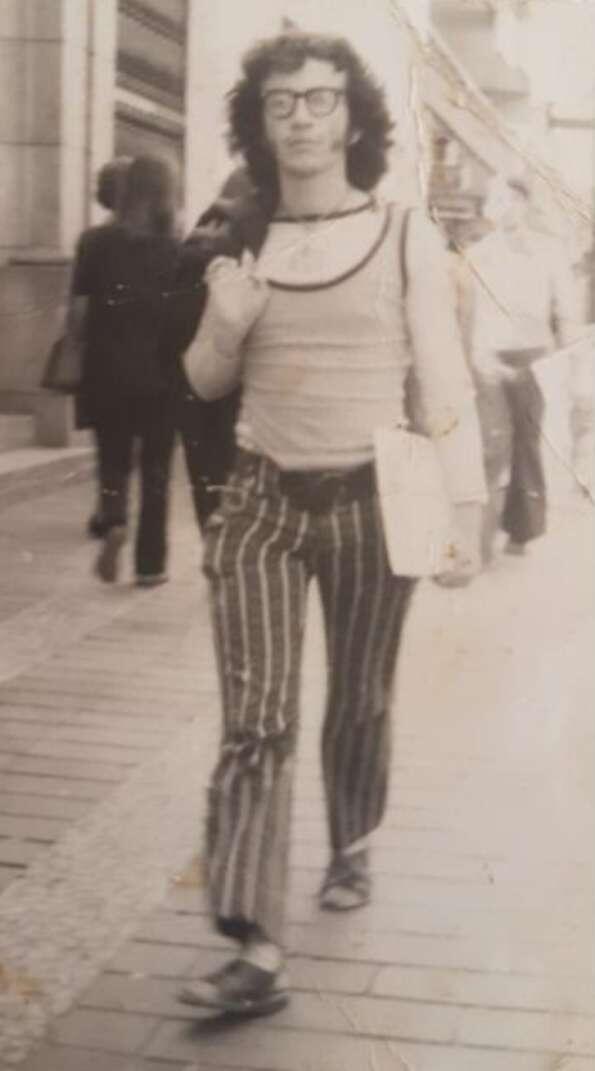
Posthumous work of the Colombian poet born in Don Matias on January 20, 1948
Welcome to this blog dedicated to the Posthumous work of the Colombian poet Francisco Luis Arroyave Tabares (my father), born in Don Matias on January 20, 1948-2010. Where I will be publishing each of the 175 sonnets from his unpublished collection 'Sonnets For The Twenty-First Century And A Circadian Musical (1984-1987).' Analyzed with GPT4 artificial intelligence and illustrated with AI tools... I hope you enjoy this garden of words snatched from the solitude of a locked room.
Likewise, any enthusiast of the sonnet form is invited to conduct their personal studies of Arroyave Tabares' work, as it is a collection that, although registered since 1989, has not yet been published.
Frank Duna

Analysis "Queen Of Many Hearts"
Introduction
"Sonnet 129" by Francisco Luis Arroyave Tabares celebrates a deep and devoted love for someone referred to as the "queen of many hearts." The poem conveys a sense of commitment and gratitude, with the poet finding completeness and guidance in the presence of the beloved.
Thematic Analysis
First Quatrain (Lines 1-4): The speaker addresses the “queen of many hearts,” acknowledging her past relationships but asserting that their shared history cannot be erased. This quatrain sets up the theme of the sonnet, which is the speaker’s unwavering commitment to the queen.
Second Quatrain (Lines 5-8): The speaker expresses humility and willingness to cater to the queen’s desires. The speaker’s life is portrayed as being guided by the queen’s wishes.
Third Quatrain (Lines 9-12): The speaker describes a change in his behavior. No longer will he wander aimlessly, seeking love elsewhere. He has found all he needs in the queen’s “cove.”
Couplet (Lines 13-14): The speaker admits to occasional distractions but ultimately affirms the queen’s wisdom as his guiding force.
The sonnet explores themes of love, commitment, and the transformative power of a significant relationship. The speaker’s tone is one of reverence and devotion towards the queen. The phrase “in troth” in line 4, as the author notes, means “in faith,” further emphasizing the speaker’s commitment. The sonnet’s rhyme scheme follows the pattern of a Shakespearean sonnet (ABAB CDCD EFEF GG), contributing to its rhythmic and melodic quality.
Overall, the sonnet presents a heartfelt declaration of love and loyalty, despite past relationships and occasional distractions. The speaker’s devotion to the queen is unwavering, and her wisdom is acknowledged as a guiding force in his life.
Structure and Rhyme Scheme
In the sonnet “Queen Of Many Hearts,” by Francisco Luis Arroyave Tabares, the rhyme scheme follows the pattern of a Shakespearean sonnet, which is ABAB CDCD EFEF GG. This means that the first and third lines rhyme with each other (A), and the second and fourth lines rhyme with each other (B) in each quatrain. The final two lines, which form a couplet, also rhyme with each other (G).
Here’s how the rhyme scheme works in this sonnet:
The queen of many hearts that you have been (A)
Cannot erase what was built by us both (B)
But just add to that majesty so keen (A)
Which inspired me a commitment in troth. (B)

Made humble with your unselfish gesture (C)
My life I will not hinder from your wants (D)
And from now on my zeals you will nurture (C)
With sweet bondages of your yes and do nots. (D)

My pouring soul will have to roam no more (E)
Through wanton streets where I complete my love (F)
That silly way to beg from door to door (E)
Is needless when I find all in your cove. (F)

Sometimes you see my eyes going adrift (G)
But your wisdom wins and becomes my gift. (G)
This rhyme scheme contributes to the rhythmic quality of the sonnet and helps to emphasize the themes and emotions conveyed in the poem. It also creates a sense of unity and completeness to the sonnet. The final couplet often serves as a conclusion or summary of the themes explored in the preceding quatrains. In this sonnet, the final couplet (GG) serves to reaffirm the speaker’s devotion to the queen, despite occasional distractions.
Analysis of Aspects
The sonnet “Queen Of Many Hearts” by Francisco Luis Arroyave Tabares is a rich piece of poetry with several noteworthy elements:
Language: The language used in the sonnet is formal and elegant, fitting for the traditional form of the sonnet. The poet uses sophisticated vocabulary and phrases such as “majesty so keen,” “unselfish gesture,” and “sweet bondages of your yes and do nots.” These choices contribute to the overall tone and mood of the poem.
Imagery: The sonnet is filled with vivid imagery that brings the speaker’s emotions to life. For example, the speaker describes his soul “pouring” and roaming “through wanton streets,” creating a sense of restlessness and longing. The “queen’s cove” serves as a metaphor for a safe and fulfilling place of love.
Themes: The main themes of the sonnet are love, devotion, and transformation. The speaker expresses deep love and commitment to the queen, despite her past relationships and his own distractions. The transformative power of their relationship is also a key theme, with the speaker changing his ways and finding fulfillment in the queen’s love.
Meter: The sonnet follows the traditional meter of a Shakespearean sonnet, which is iambic pentameter. This means each line typically contains five pairs of syllables, with the stress falling on the second syllable of each pair. This creates a rhythmic quality that enhances the reading and listening experience.
Overall, the sonnet is a beautiful expression of love and devotion. The use of formal language, vivid imagery, and traditional sonnet form all contribute to the depth and richness of the poem. The speaker’s unwavering commitment to the queen, despite the challenges, makes the sonnet a powerful declaration of love. The final couplet serves as a poignant conclusion, reaffirming the speaker’s devotion and the transformative power of the queen’s wisdom.
(GPT4)
Syllable count for each line.
Queen Of  Many Hearts


10 The queen of many hearts that you have been
10 Cannot erase what was built by us both
10 But just add to that magesty so keen
10 Which inspired me a commitment in troth.

10 Made humble with your unselfish gesture
10 My life I will not hinder from your wants
10 And from now on my zeals you will nurture
10 With sweet bondages of your yes and do nots.

10 My pouring soul will have to roam no more
10 Through wanton streets where I complete my love
10 That silly way to beg from door to door
10 Is needless when I find all in your cove.

10 Sometimes you see my eyes going adrift
10 But your wisdom wins and becomes my gift.
                                  ***
Sonnets For The Twenty First Century And A Circadian Musical Written By Francisco Luis Arroyave Tabares (1984-1987)
Analyzed by GPT4; Image by leonardo.ai;
First published on Nostr Protocol by franciscoarroyavet@nostrplebs.com
 Queen Of Many Hearts