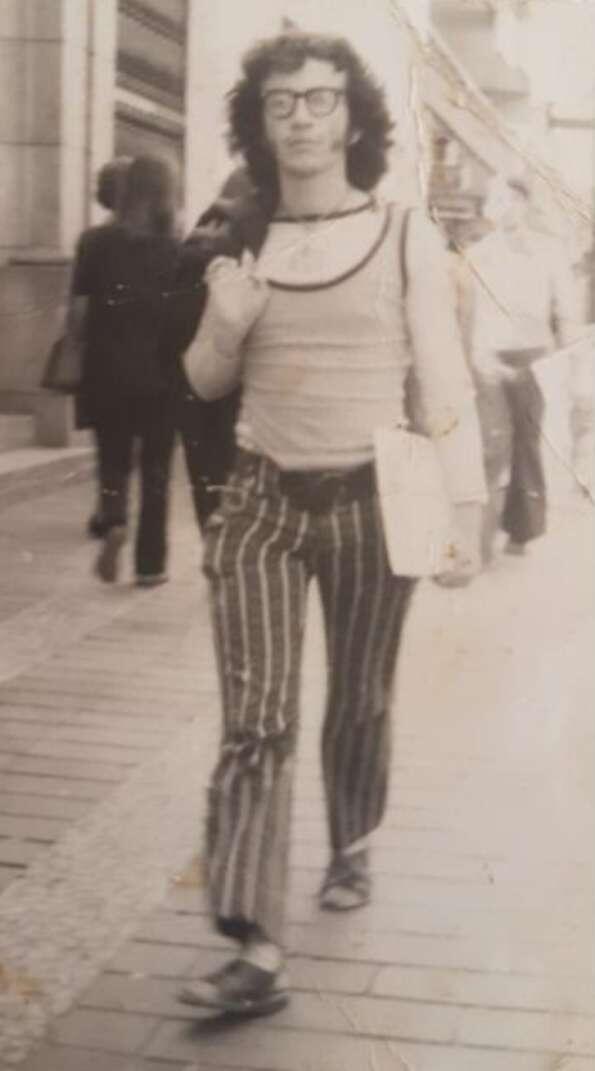
Posthumous work of the Colombian poet born in Don Matias on January 20, 1948.
Welcome to this blog dedicated to the Posthumous work of the Colombian poet Francisco Luis Arroyave Tabares (my father), born in Don Matias on January 20, 1948-2010. Where I will be publishing each of the 175 sonnets from his unpublished collection 'Sonnets For The Twenty-First Century And A Circadian Musical (1984-1987).' Analyzed with GPT4 artificial intelligence and illustrated with AI tools... I hope you enjoy this garden of words snatched from the solitude of a locked room.
Likewise, any enthusiast of the sonnet form is invited to conduct their personal studies of Arroyave Tabares' work, as it is a collection that, although registered since 1989, has not yet been published.
Frank Duna

Analysis "I Mourn"
Introduction
"I Muse" by Francisco Luis Arroyave Tabares is a sonnet that explores the poet's deep contemplation of various aspects of life, nature, and human experiences.
Thematic Analysis
In the octave of this sonnet, the poet muses or meditates on various aspects of nature and human life. He contemplates the magic, music, and love in life, the deep blue of the sky, the treasures found in valleys and hills, and the peace that people often refuse. He also reflects on the rain that nourishes dry land, the science that should be used for good, the fish in the sea and brooks, and the pleasures that people sometimes misuse. The octave thus presents a broad reflection on both the beauty and challenges of life.
The sestet, on the other hand, focuses more on the poet’s musings about human needs and emotions. He thinks about bread for the starving, balm for human pains, smiles for those who never smile, toys for children, and the beauty and excellence (referred to as ‘royal taste’) found in life. He also contemplates the angels who provide company to each person every morning. The sestet thus presents a more focused reflection on human needs, emotions, and the small joys of life.
Overall, the sonnet beautifully captures the poet’s deep and thoughtful reflections on life, nature, and humanity. The shift from the octave to the sestet also effectively highlights the shift in focus from a broader view of life to more specific aspects of human experience.
Structure and Rhyme Scheme
The rhyme scheme is ABBA ABBA CDC DCD, is a common one in Petrarchan sonnets. Let’s break it down:
In the octave (the first eight lines), the rhyme scheme is ABBA ABBA. This means that the first and fourth lines rhyme (A), the second and third lines rhyme (B), and this pattern is repeated in the next four lines. In the sonnet you provided, the words at the end of these lines are:
A: muse B: still B: hill A: refuse A: use B: kill B: rill A: abuse
In the sestet (the last six lines), the rhyme scheme is CDC DCD. This means that the first and third lines rhyme (C), and the second line has a different rhyme (D). This pattern is then inverted in the final three lines. In the sonnet you provided, the words at the end of these lines are:
C: starving D: humanity C: smiling D: poetry C: morning D: company
This rhyme scheme contributes to the rhythm and flow of the sonnet, and helps to emphasize certain words and ideas. It also creates a sense of unity and cohesion in the poem. The shift in rhyme scheme from the octave to the sestet often corresponds to a shift in theme or tone, as I mentioned in my previous analysis. In this sonnet, the consistent rhyme scheme throughout the poem helps to tie together the poet’s various musings into a coherent whole.
Analysis of Aspects
Let’s delve deeper into the analysis of “I Muse” by Francisco Luis Arroyave Tabares.
Language: The language used in the sonnet is rich and evocative. The poet uses a variety of words and phrases to convey his thoughts and feelings. The use of words like “magic”, “music”, “love”, “deep azure”, “treasures”, “peace”, “rain”, “science”, “fish”, “pleasures”, “bread”, “balsams”, “smiles”, “toys”, “royal taste”, and “angels” creates a vivid and diverse linguistic landscape that reflects the breadth and depth of the poet’s musings.
Imagery: The sonnet is filled with powerful imagery. The poet paints pictures of the sky, valleys and hills, rain nourishing dry land, fish in the sea and brooks, and angels providing company. These images serve to bring the poet’s reflections to life and engage the reader’s senses.
Themes: The sonnet explores a range of themes, including the beauty and challenges of life, the human needs and emotions, and the small joys of life. The poet’s musings on these themes provide a thoughtful and nuanced exploration of life and humanity.
Meter: The sonnet appears to follow the iambic pentameter, which is a common meter in English poetry and consists of five pairs of unstressed and stressed syllables per line. This gives the sonnet a rhythmic quality and contributes to its musicality.
Overall, the sonnet is a beautifully crafted piece of poetry that uses rich language, powerful imagery, and thoughtful themes to convey the poet’s deep and reflective musings on life and humanity. The consistent rhyme scheme and meter add to the sonnet’s rhythm and flow, creating a cohesive and engaging poetic experience for the reader. The shift in focus from the octave to the sestet, along with the shift in rhyme scheme, effectively highlights the transition from a broader view of life to more specific aspects of human experience. The sonnet thus presents a balanced and comprehensive reflection on life, nature, and humanity.
(GPT4)
Syllable count for each line.
I Muse


10 With magic, music and with love I muse
10 With deep azure that keeps the heaven still
10 Treasures that are in each valley and hill
10 And with that peace all time people refuse...

10 I muse in raining that dry land can use
9  In science that is not meant to kill
10 In fish whether from sea or a small rill
10 And in pleasures that sometimes we abuse...

10 I muse in bread for the people starving
11 In balsams for the pains of humamity
10 And smiles for those that are never smiling...
10 I muse in toys for children, poetry
10 Royal taste and angels who, each morning
10 Will give each one alone some company.
                    ***
Sonnets For The Twenty First Century And A Circadian Musical Written By Francisco Luis Arroyave Tabares (1984-1987)
Analyzed by GPT4; Image by leonardo.ai;
First published on Nostr Protocol by franciscoarroya
vet@nostrplebs.com
 I Muse