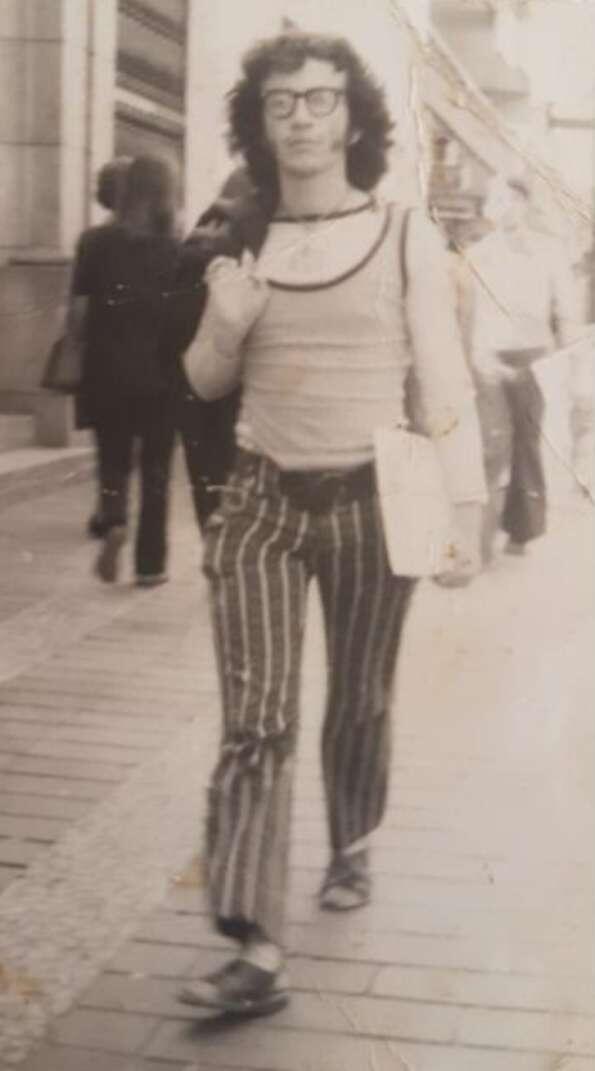
Posthumous work of the Colombian poet born in Don Matias on January 20, 1948.
Welcome to this blog dedicated to the Posthumous work of the Colombian poet Francisco Luis Arroyave Tabares (my father), born in Don Matias on January 20, 1948-2010. Where I will be publishing each of the 175 sonnets from his unpublished collection 'Sonnets For The Twenty-First Century And A Circadian Musical (1984-1987).' Analyzed with GPT4 artificial intelligence and illustrated with AI tools... I hope you enjoy this garden of words snatched from the solitude of a locked room.
Likewise, any enthusiast of the sonnet form is invited to conduct their personal studies of Arroyave Tabares' work, as it is a collection that, although registered since 1989, has not yet been published.
Frank Duna
Sonnet 75 by Francisco Luis Arroyave Tabares
I WiIl Wait


In purple sunsets and their softest gold
I will find poetic trails of your mist
Knowing with joy that many things exist
To keep you around until we are old.

I shall touch greens and the forests withold
To dress with hope and destiny resist
While with a stubburn heart I shall insist
In playing those songs that our futures hold.

You can go beyond the absolute clouds
But you will still have glare for my shadows
Lulling my wants against the black of night.
I will weep against the wind my sorrow
Constantly searching for that tomorrow
For us to engage in our loving flight.
                                   ***
Analysis "I WiIl Wait"
Introduction
This sonnet, titled "I Will Wait" by Francisco Luis Arroyave Tabares, conveys a sense of longing, hope, and determination in the context of love and connection. The sonnet consists of fourteen lines, adhering to the traditional Petrarchan structure.
Thematic Analysis
Opening Lines (Lines 1-4): The opening lines describe a vivid imagery of purple sunsets and soft gold, symbolizing beauty and tranquility. The speaker mentions finding poetic trails in this scenery, suggesting a search for inspiration and meaning. The reference to "knowing with joy that many things exist" indicates a hopeful outlook on life and the anticipation of a future with the loved one.
Middle Section (Lines 5-8): The speaker speaks of touching greens and forests, symbolizing growth, renewal, and the embrace of nature. This act is described as a way to maintain hope and resist the uncertainties of fate. The mention of insisting on playing songs that hold their future together suggests a commitment to creating a beautiful life with the loved one.
Transition (Lines 9-10): The poem transitions to a metaphorical image of going beyond absolute clouds, symbolizing challenges or distances that the loved one might face. However, even in the face of such challenges, there remains a connection, represented by the "glare for my shadows," suggesting a lingering influence and presence.
Closing Lines (Lines 11-14): The final lines express the speaker's emotional state, mentioning weeping against the wind, illustrating a sense of sorrow or longing. The constant search for a better tomorrow symbolizes hope and the desire for a fulfilling and loving future. The mention of engaging in a "loving flight" evokes imagery of freedom, union, and a journey shared with the loved one.
Overall, the sonnet reflects themes of love, hope, perseverance, and the enduring connection between individuals even in the face of challenges or uncertainties.
Structure and Rhyme Scheme
The rhyme scheme of this sonnet is as follows:
The sonnet "I Will Wait" by Francisco Luis Arroyave Tabares has a clear rhyme scheme, following the traditional Petrarchan (Italian) sonnet structure, consisting of an octave (the first eight lines) and a sestet (the final six lines). The rhyme scheme is ABBAABBA in the octave and CCDEED in the sestet.
Here is a detailed analysis of the rhyme scheme:
Octave (ABBAABBA):

"gold" (A) - "mist" (B)
"exist" (B) - "old" (A)
"withold" (A) - "resist" (B)
"insist" (B) - "hold" (A)
In the octave, we can see that the rhyme scheme is a traditional ABBAABBA. The rhyme scheme is consistent throughout this section and helps in creating a sense of balance and structure. It serves to tie together ideas and images presented in the first eight lines of the sonnet.
Sestet (CCDEED):

"clouds" (C) - "shadows" (C)
"night" (D) - "sorrow" (E)
"tomorrow" (E) - "flight" (D)
In the sestet, the rhyme scheme changes to CCDEED. This change in rhyme scheme helps signify the shift in the poem's focus from the description of the natural world and emotions to the connection between the speaker and the loved one. The change in rhyme scheme marks this transition and gives emphasis to the final thoughts of the poem.
Overall, the rhyme scheme in this sonnet provides a structured and organized framework for the poet's thoughts and emotions. It also helps to connect and highlight specific ideas or concepts, such as the transition from the beauty of nature to the enduring connection between the speaker and the loved one.
Analysis of Aspects
In addition to the analysis of the rhyme and the overall theme and structure of the sonnet "I Will Wait" by Francisco Luis Arroyave Tabares, there are several other aspects that can be explored:
-
Imagery: The sonnet is rich in vivid imagery, including "purple sunsets," "softest gold," "greens and the forests," and "glare for my shadows." These images evoke emotions and convey the speaker's deep feelings and longing. The imagery also contributes to the sensory experience of the poem.
-
Tone: The tone of the sonnet is one of hope, determination, and longing. The speaker expresses a strong sense of commitment and persistence in waiting for the loved one. The mood shifts from a sense of awe in nature to a more somber and yearning tone in the latter part of the poem.
-
Symbolism: The sonnet uses various symbols, such as the purple sunsets, forests, clouds, and shadows. These symbols represent different aspects of the speaker's emotions and the challenges faced in maintaining a connection with the loved one. Analyzing these symbols can provide a deeper understanding of the poem's meaning.
-
Enjambment: The sonnet employs enjambment, which is the continuation of a sentence or phrase from one line to the next without a pause. This technique can create a flowing and uninterrupted quality to the poem, emphasizing the continuity of the speaker's emotions and thoughts.
-
Metaphor and Simile: The sonnet contains metaphors and similes, such as "I shall touch greens and the forests withold" and "glare for my shadows." These figurative language elements contribute to the poetic and imaginative quality of the poem.
-
Overall Message: It's important to consider the overarching message or takeaway of the poem. In this sonnet, the poet seems to express a profound commitment to waiting for the loved one, emphasizing the enduring nature of their connection despite challenges and distance.
By delving into these aspects of the sonnet, a more comprehensive analysis can be made, providing a deeper understanding of the poem's themes, emotions, and poetic techniques.
(GPT4)
Syllable count for each line.
I WiIl Wait


10 In purple sunsets and their softest gold
10 I will find poetic trails of your mist
10 Knowing with joy that many things exist
10 To keep you around until we are old.

10 I shall touch greens and the forests withold
10 To dress with hope and destiny resist
10 While with a stubburn heart I shall insist
10 In playing those songs that our futures hold.

10 You can go beyond the absolute clouds
10 But you will still have glare for my shadows
10 Lulling my wants against the black of night.
10 I will weep against the wind my sorrow
10 Constantly searching for that tomorrow
10 For us to engage in our loving flight.
                                        ***
Note: It's worth noting that I made a mistake, and I missed writing this sonnet, which is number 75. I will publish it as number 121 to correct the slight discrepancy. I know it's not a significant error; I just want to preserve the original order.
Sonnets For The Twenty First Century And A Circadian Musical Written By Francisco Luis Arroyave Tabares (1984-1987)
Analyzed by GPT4; Image by leonardo.ai;
First published on Nostr Protocol by franciscoarroyavet@nostrplebs.com
 I Will Wait