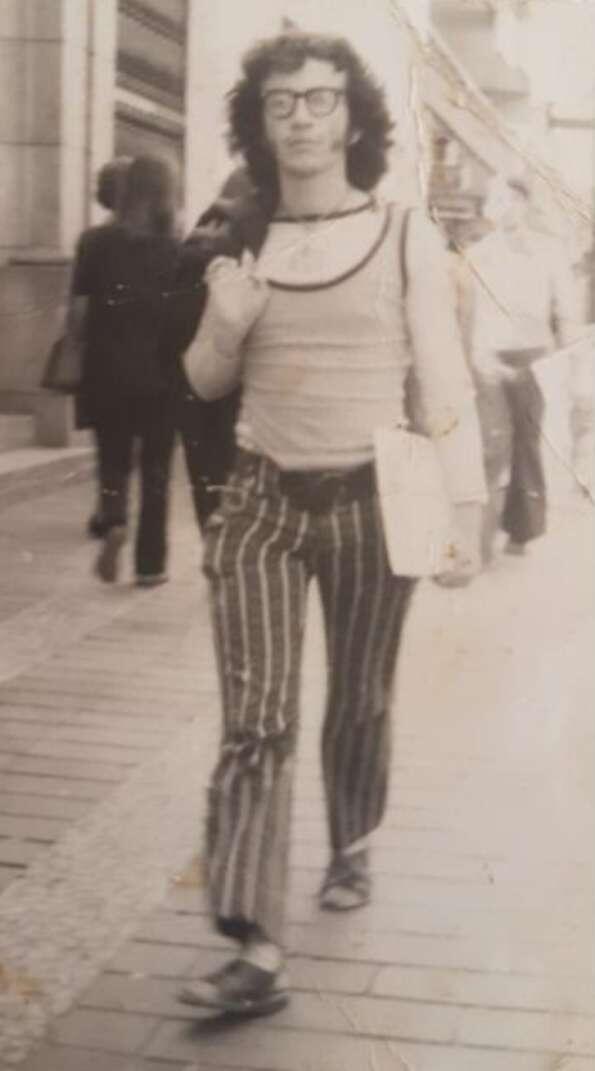
Posthumous work of the Colombian poet born in Don Matias on January 20, 1948.
Welcome to this blog dedicated to the Posthumous work of the Colombian poet Francisco Luis Arroyave Tabares (my father), born in Don Matias on January 20, 1948-2010. Where I will be publishing each of the 175 sonnets from his unpublished collection 'Sonnets For The Twenty-First Century And A Circadian Musical (1984-1987).' Analyzed with GPT4 artificial intelligence and illustrated with AI tools... I hope you enjoy this garden of words snatched from the solitude of a locked room.
Likewise, any enthusiast of the sonnet form is invited to conduct their personal studies of Arroyave Tabares' work, as it is a collection that, although registered since 1989, has not yet been published.
Frank Duna

Analysis "In Shandows I will wait"
Introduction
Sonnet 89 is a deeply emotional and introspective poem that explores themes of love, loss, longing, and hope. It uses vivid and evocative imagery to convey the speaker's emotional state and his complex relationship with love.
Thematic Analysis
First Quatrain: The speaker recalls a past love, which is now only an echo or a memory. The use of words like “emptiness”, “confines”, and “echoes” suggests a sense of loss and longing.
Second Quatrain: The speaker talks about the new experiences in life (symbolized by “new-sprung blooms”) but they do not bring the pleasure he seeks. The “pungent hill” surrounded by loneliness could symbolize the challenges or hardships he’s facing.
Third Quatrain: The speaker’s soul, described as “bleak”, calls out for its other half, suggesting a sense of incompleteness. The fleeting nature of happiness and the reference to Venus (the Roman goddess of love) leaving behind a cloud of dust could symbolize the transient nature of love.
Couplet: The speaker resolves to wait in the shadows until true love occurs again. This shows a sense of hope and patience.
Overall, the sonnet explores themes of love, loss, longing, and hope. The language is rich and evocative, painting a vivid picture of the speaker’s emotional landscape. The use of natural imagery (blooms, hill, forest, dust) adds a layer of depth to the poem, linking the speaker’s emotional state to the natural world. The sonnet ends on a hopeful note, suggesting the possibility of love rekindling in the future.
Rhyme Scheme
The sonnet follows the Shakespearean sonnet rhyme scheme, which is ABABCDCDEFEFGG. Let’s break it down:
The first quatrain (lines 1-4) has the rhyme scheme ABAB:
A: In Shandows I will wait
B: Easily I recall the emptiness
A: Dwelling in confines by which love went by
B: As echoes still full with loftiness
The second quatrain (lines 5-8) follows the scheme CDCD:
C: New-sprung blooms through my life lucently rill
D: Yet they do not fulfill pleasures I seek
C: And loneliness surrounds that pungent hill
D: Where my fervors became blameless an meek.
The third quatrain (lines 9-12) follows the scheme EFEF:
E: My bleak soul with mellifluous accent
F: Calls its other half in deep forest lost.
E: For happines has been evanescent
F: And Venus left behind a cloud of dust.
Finally, the couplet (lines 13-14) follows the scheme GG:
G: In shadows I will wait with my murmurs
G: Until the real love once again occurs.
This rhyme scheme is typical of Shakespearean sonnets and helps to give the poem its rhythm and flow. It also serves to emphasize certain themes and ideas within the poem, creating a sense of unity and coherence. The final couplet often provides a resolution or commentary on the themes presented in the quatrains. In this case, it reaffirms the speaker’s resolution to wait for true love.
Additional Aspects
Let’s delve deeper into the sonnet’s language, imagery, themes, meter, and overall impact.
Language and Imagery: The sonnet uses rich and evocative language to create vivid imagery. Phrases like “In shadows I will wait”, “New-sprung blooms through my life lucently rill”, and “Venus left behind a cloud of dust” paint a picture in the reader’s mind and evoke strong emotions. The use of words like “emptiness”, “echoes”, “loneliness”, and “bleak” further emphasize the themes of longing and solitude.
Themes: The main themes of the sonnet are love, loss, loneliness, and hope. The speaker expresses a deep longing for a lost love and the pain of solitude, yet also holds onto hope for the future. The recurring image of waiting in the shadows suggests patience and resilience in the face of adversity.
Meter: The sonnet follows the traditional iambic pentameter of Shakespearean sonnets, which consists of five pairs of unstressed and stressed syllables per line. This gives the poem a rhythmic quality and helps to emphasize certain words and ideas.
Overall: the sonnet is a poignant exploration of the human experience of love and longing. The combination of vivid imagery, emotional language, and rhythmic meter creates a powerful and moving piece of poetry. The speaker’s journey from recalling past love, through experiencing loneliness, to holding onto hope for future love, resonates with readers and invites them to reflect on their own experiences of love and loss. The sonnet ends on a hopeful note, reaffirming the human capacity for resilience and the enduring power of love.
(GPT4)
Syllable count for each line.
In Shandows I will wait

10 Easily I recall the emptiness
10 Dwelling in confines by which love went by
9  As echoes still full with loftiness
10 I find for remembrance or alibi.

10 New-sprung blooms through my life lucently rill
10 Yet they do not fulfill pleasures I seek
10 And loneliness surrounds that pungent hill
10 Where my fervors became blameless an meek.

10 My bleak soul with mellifluous accent
10 Calls its other half in deep forest lost.
10 For happines has been evanescent
10 And Venus left behind a cloud of dust.

10 In shadows I will wait with my murmurs
10 Until the real love once again occurs.
                      ***
Sonnets For The Twenty First Century And A Circadian Musical Written By Francisco Luis Arroyave Tabares (1984-1987)
Analyzed by GPT4; Image by Frank Duna;
First published on Nostr Protocol by franciscoarroyavet@nostrplebs.com
 *In Shandows I will wait