💥 The Collapse of the System: Analyzing Renato Trezoitão's Ideas 💥
> Get ready for a rollercoaster of provocative ideas and controversial arguments that challenge the foundations of modern society. In this excerpt from a conversation with Renato Trezoitão, topics ranging from government criticism to reflections on Bitcoin and gender roles urge us to question everything we consider "normal." Let’s dive in!
🌍 **1. A Cry Against the System:** Trezoitão spares no words in criticizing the Brazilian government under Lula and the PT, labeling the left as enemies of technological progress and financial freedom. For him, countries like the U.S., El Salvador, and Argentina are the "Bitcoin Wild West," where innovation thrives.
<img src="https://blossom.primal.net/6c1acee7006316dc54f5338cc6246e82bc957aaab3f3e23083794068aedfe4a1.gif">
👑 **2. Democracy, a False God?** Ever heard someone argue for monarchy over democracy? Inspired by the book "Democracy: The God That Failed," Trezoitão claims that democracy is an illusion while monarchy upholds more solid moral values. Controversial, right?
<img src="https://blossom.primal.net/447c753e484868420dd2db47d686e3f9c13cf9fd81cd7171621e95259312fcb0.gif">
📉 **3. Decline and Fertility:** Is individual freedom tied to birth rates? Trezoitão suggests that modern society, drifting away from freedom and traditional roots, is losing its ability to create and nurture new life. He even points to rising searches for terms like "I regret being a mother" as evidence of deeper societal issues.
<img src="https://blossom.primal.net/f22efccc132f0240356e44029d9e79919339ba13827193c65914c14300fe376f.gif">
👩💼 **4. Career vs. Family:** Here’s a hot take: Trezoitão critiques the push for women to compete in the workforce, arguing that it "masculinizes" women and destroys family harmony. He asks: are we prioritizing careers at the cost of our true nature?
<img src="https://blossom.primal.net/fc9e38dd0bef4ee2e444080427dbb0cd190cb21120b4e5a60696823a743394f7.gif">
₿ **5. Bitcoin and the Future of Money:** It’s inevitable, he says: Bitcoin will reign supreme. Trezoitão predicts that fiat currencies will crumble like sandcastles in the face of BTC, while governments scramble to resist with measures like Brazil’s Drex.
<img src="https://blossom.primal.net/7cc7bee03e17ca2a73c019abadbc89aa0c95f9a3b431bdf2d771ab2933e3c20d.gif">
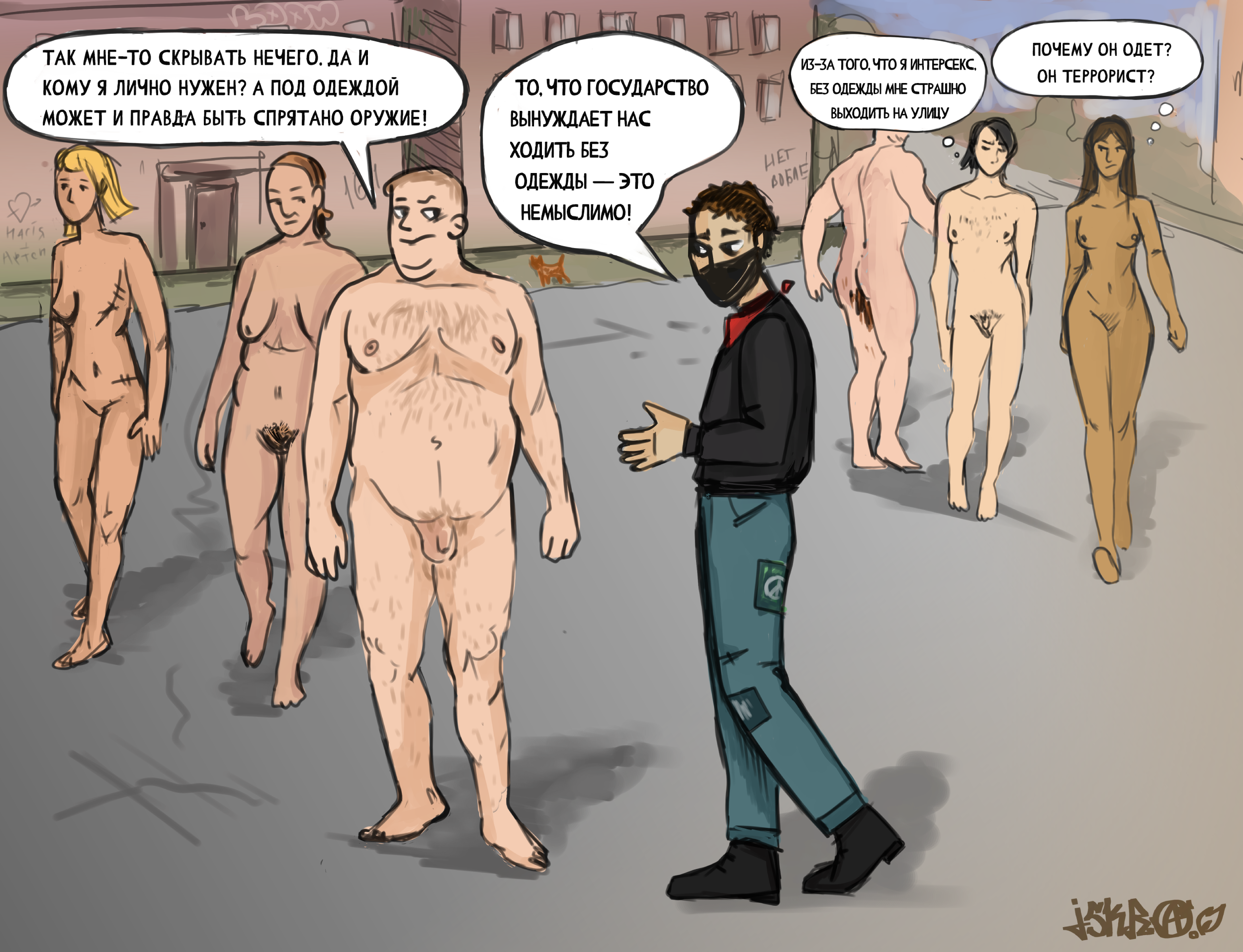
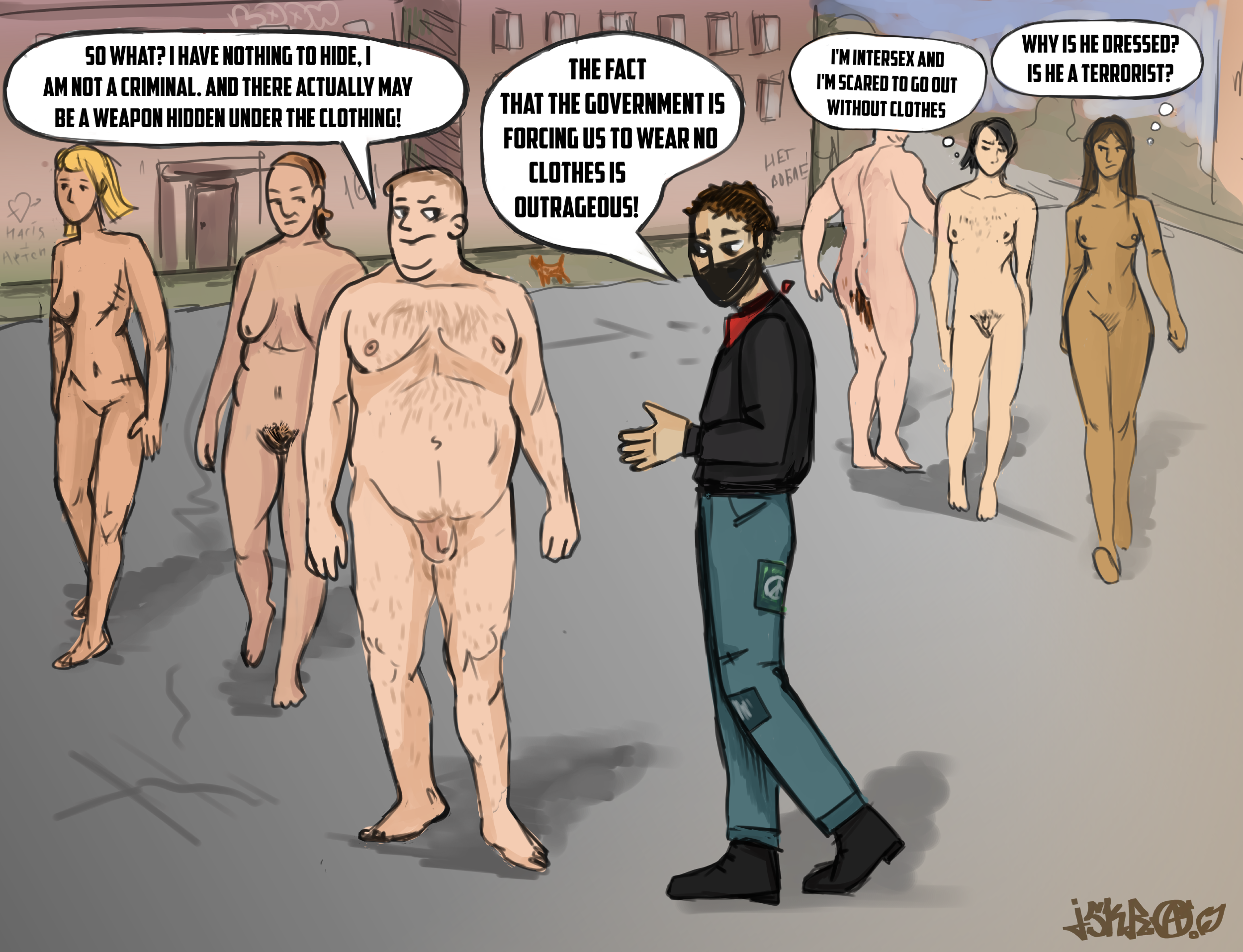
👁️🗨️ **6. Marching Toward Total Control?** Imagine a future without cash. Trezoitão sees it coming fast, as governments aim to increase control over our resources and strip away financial privacy. Do you trust it’ll truly be “for the greater good”?
<img src="https://blossom.primal.net/d6d050e52a319e97891c132ede4e244221d01155ac07560eeeb2e40d37bf14e7.gif">
🏛️ **7. The Nanny State:** State interventionism is like being spoon-fed: it may seem comforting at first, but it strips us of the ability to live autonomously. He advocates for subsidiarity, where families and communities solve their own problems without state interference.
👨👩👧 **8. Family and Religion** – The Pillars of Civilization: Trezoitão hammers home the idea that the state has no business interfering in family and religion. For him, these are the true pillars of freedom and personal responsibility.
<img src="https://blossom.primal.net/4b6e82882ce667d7c29d83bd023ccdc239c471d42c581def3610d962a7a08f13.gif">
❤️ **9. Love or Endless Adventures?** Another polarizing point: female sexual freedom and increasing prior experiences are undermining stable, monogamous relationships. Are we chasing something that can never truly satisfy us?
⚖️ **10. Men, Women, and the End of Traditional Roles:** At the heart of it all, he defends a traditional view: men as providers, women as caregivers. Reversing these roles has led to societal unhappiness and confusion.
<img src="https://blossom.primal.net/b5fb9296fca18c6df14ed181501e35536c8fd817f29ed3b71bc442a43094e4bf.gif">
🌀 **Conclusion –** Are We Heading for Collapse? With a distinctly pessimistic tone, Trezoitão warns of a future filled with total control, social collapse, and a loss of freedom. Whether you agree or not, his arguments demand attention – a call to reflect on what we are building (or dismantling) as a society.
> ##### 💡 **What’s your take?** Do you agree, disagree, or have a completely different perspective? Let’s continue this debate in the comments! After all, it’s by confronting ideas that we grow.
<img src="https://blossom.primal.net/c04d296c1e54a287ef995942513a4de87bffd980ae8638782e74a396324615b8.gif">