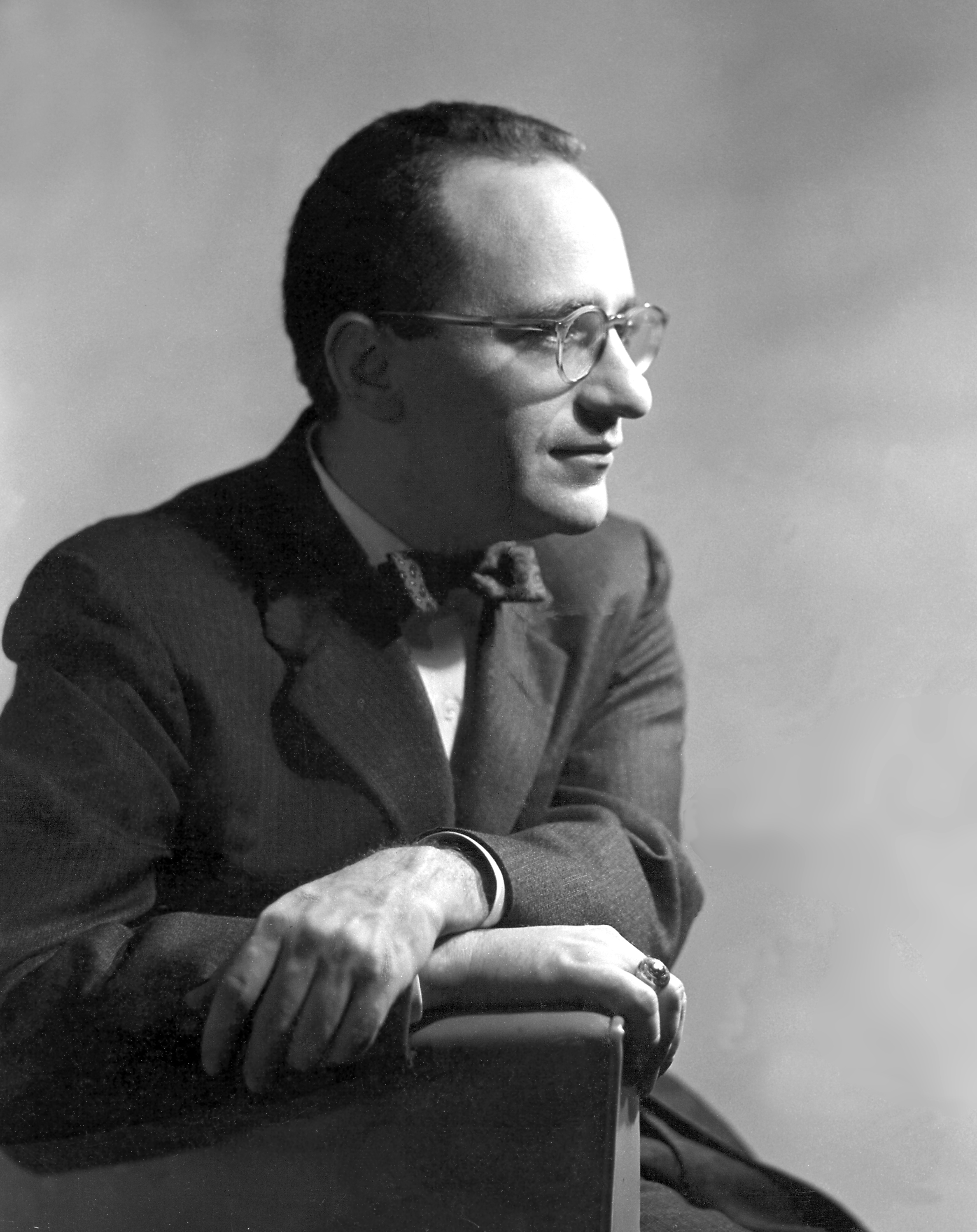
Murray Rothbard built the most internally consistent radical libertarian system of the 20th century. This guide shows where to enter it.
Hoarding is not low time preference; only lending expresses it. Wealth lowers time preference via diminishing marginal utility, not the reverse.
Four sources of economic progress form an interdependent system that emerges spontaneously from voluntary exchange when property rights remain completely intact.
The parallel economy has sound money and encrypted communication but still lacks the credit layer needed to finance production across time.
Holding money does not defer gratification but consumes the opportunity cost of lending, making hoarding a present expense rather than proof of low time preference.
Cheap drones expose the state's war machine: centralized militaries accumulate fragile capital while decentralized force converts low-cost tools into strategic advantage.
Privacy infrastructure is capital requiring present sacrifice for future capability. Entrepreneurial discovery drives innovation. Markets coordinate heterogeneous privacy tools most effectively.