#

money

(51 articles)

On the History and Future of Money

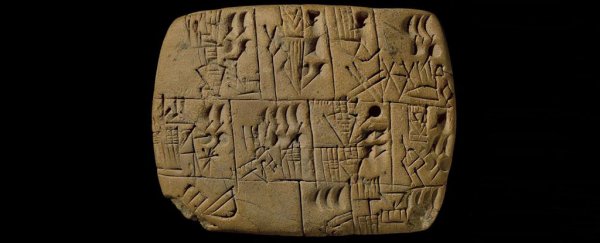
> When money is easy to make, society starts to break There is something off in the world. Most of us can feel it, even if we cannot name it. The older generation worked hard, saved carefully, and paid into pension systems, and is now watching those very savings buy less every year. Their children did everything they were told and still struggle to afford the life their parents had. Saving for a house takes three times longer, they finish school later, take longer to move out and start a family. ![](https://image.nostr.build/8455da68d1ea1e2527f1bad8073bf9a9a57bbf0902ca5fa136a166f1f40ceca9.png) Money doesn't work anymore. But to unpack that, we need to start with a question almost nobody asks. ### **What Is Money?** Money is a medium to store and transfer favors. You help someone and receive a token which you can exchange for help in the future. This is called deferred reciprocity. The best analogy for money is a battery. You charge it and you deplete it. You charge it by producing for others and drain it by consuming the time, energy and effort of others. It's an external score-card of who owes who. ### **The History Of Money** When humans lived in hunter-gatherer tribes we kept these scores internally. You help me hunt today, I will help construct your house tomorrow. It's a simple tit-for-tat exchange of value. The same way we trade favors with friends. No need to write it down since the number of trades, people and surplus resources were limited. We could simply keep it in our heads. Flash-forward to around 10,000 years ago, where we settled in one place and started farming. Agriculture made population skyrocket. All of a sudden we had fields to protect, surpluses to store and excess to trade. We invented the written language to externalize these mental score-cards. Like the Sumerian clay tablets to track payments in grain. Our earliest writings were ledgers and financial records, not stories or diaries. ![Sumerian Cuneiform Clay Tablet](https://image.nostr.build/7eeddadcc647fac307aff1c878d29bbf0604b0b76aefcb6d76ec6acc05d2dc10.jpg) ![](https://image.nostr.build/89d08cb4527942f326004a33a172262813ffca1e8faff7376bbb3257e037f9d6.jpg) Throughout history this externalized score-card has been almost anything; [clay tablets](https://en.wikipedia.org/wiki/Clay_tablet), [salt](https://seasalt.com/salt-101/about-salt/history-of-salt#:~:text=Salt%20is%20still%20used%20as,of%20the%20word%20%22salary.%22), [beads](https://en.wikipedia.org/wiki/Trade_beads), [stone](https://en.wikipedia.org/wiki/Rai_stones), wheat, [tobacco](https://www.encyclopedia.com/history/dictionaries-thesauruses-pictures-and-press-releases/tobacco-money#:~:text=Because%20of%20the%20scarcity%20of,1642%20made%20it%20legal%20tender.), [shells](https://en.wikipedia.org/wiki/Shell_money#:~:text=Shell%20money%20is%20a%20medium,into%20beads%20or%20otherwise%20shaped.), steel, iron, [gold](https://en.wikipedia.org/wiki/Gold_standard), [silver](https://en.wikipedia.org/wiki/Silver_standard), animals, [bronze bracelets](https://en.wikipedia.org/wiki/Manilla_(money)), humans, and more. However, not all items make good ledgers. Apples spoil, metals rust, shells are all different, salt is abundant, stones are heavy, and so on. The best money checks all these boxes: - **Medium of exchange**: it can easily change hands - **Unit of account**: calculations can be made with it - **Store of value**: it holds its purchasing power over time - **Divisible**: it should be usable for small and big transactions - **Durable**: it should last over time - **Portable**: it should be easy to transport - **Fungible**: Each unit is interchangeable - **Private**: To prevent theft, it should be easy to hide - **Saleable**: it should be widely accepted Over time (and after many failed attempts), completely independent from each other, different cultures eventually settled on precious metals (gold and silver mainly). Because gold and silver scored the best on all these criteria. Over time, the ruling authority standardized these metals by casting them into coins similar in size and weight. The shekel, aureus, denarius, sestertius, florins, pieces of eight, the pound (of silver), ... . ![](https://image.nostr.build/62e968c0c8aeff1712cff25207e0b278fb23b4836c44a349a070af874abf07b9.jpg) With a standardized medium of exchange, we could do away with scales and society flourished. A stable SI-unit of value gave rise to the great Roman Empire. However the problem with issuing your own money is the temptation to dilute it and spend beyond what you have received. The Roman government started to issue new coins with the same face value but lower precious metal content. By reducing the purity and size of the coins they collected as taxes (by re-melting and diluting), governments could create more coins and spend more than they earned through taxation. Making them noticeably darker and smaller. Effectively transferring purchasing power from the saver to the issuer without their consent nor knowledge. And over time pushing up all prices. ![](https://image.nostr.build/0bdc52c28cc380b9765a21a811cf313bd4794e4b245279cb8388b4a1e689f19f.png) Silver denarius before and after debasement. ![class=center block](https://image.nostr.build/31f08ad0facfa0db89a214c26f6ac98655f374b47c0916c578c348b36c2efa41.jpg) ![After debasement](https://image.nostr.build/ea17874f110bae8c42593690e21140f4ff12d6d14c6cdf44ee9bdf021f46fd78.jpg) ### **Money Today** Until 1971, gold has been money in one form or another. We moved it into bank vaults because it was slow to move and prone to theft. But still, gold was the base layer. Paper banknotes were tied to a fixed amount of gold, and could be traded in at a bank. Hence the phrase "we promise to pay the bearer on demand" on banknotes. A Great Britain "pound" could be changed for an actual pound of silver. Paper money was basically a claim ticket on gold. But still the same incentive to create more banknotes than you kept gold in the vault appeared. The technology changes, the incentives don't. This allowed the US to buy things at only the cost of printing their own money for a long time. When France realized this, and president Charles De Gaulle started converting their numerous dollars back into gold, president Nixon ended the gold standard. Effectively defaulting on their promise. <YouTube id="eYgnGAr3-kM"/><br/> <YouTube id="rcnhF09QN78"/><br/> And since that point in time, no currency is tied to a natural limit anymore. They are free-floating and limited only by the trust of their holders. Without this natural limit, most major currencies have already lost a significant amount of their purchasing power over time. History repeats: [Ancient Greece](https://en.wikipedia.org/wiki/Roman_currency#Debasement), [Germany](https://en.wikipedia.org/wiki/Hyperinflation_in_the_Weimar_Republic), Lebanon, [Venezuela](https://en.wikipedia.org/wiki/Hyperinflation_in_Venezuela), [Zimbabwe](https://en.wikipedia.org/wiki/Hyperinflation_in_Zimbabwe), [Turkey](https://en.wikipedia.org/wiki/Economy_of_Turkey), [Argentina](https://en.wikipedia.org/wiki/Economic_history_of_Argentina), Hungary, Egypt, Sri Linka. But also bigger markets like the US, UK and eurozone have the same incentive problem. Different rates, different reasons, but they all go in the same direction. ![count=2](https://image.nostr.build/98efab88fcedd2f0118d15ebce89912706718c862642588ed3bc9e4ff48f832b.jpg) ![count=2](https://image.nostr.build/b38a7fa827323d868b67c2adc1aef5b8132c96e6ac6c4bd646b9559c0bff8043.jpg) ![count=3](https://image.nostr.build/8f180ab3ba64ca6fe86e94699448967c9d5aa735b7a7abba419519cd85397c8c.jpg) ![count=3](https://image.nostr.build/debcd20a11f14d1c6a34783d49cbc077ce2be180bef9904e2ef201f5b5fa69ec.png) ![count=3](https://image.nostr.build/fc21111cdb545a9c7bb789dcd3c64e5620c36b88dcd3cb03694d593a796080fd.png) Find more statistics at [Statista](https://www.statista.com) We have gotten so used to inflation we see it as natural. Our contracts reflect it, we expect wages to increase, and our entire society strategizes how to benefit from it. We have built whole industries: wealth management, financial planning, inflation-linked bonds that thrive solely because every year money slowly dies. The natural state of a growing economy is deflation: Prices going down over time. More productivity means more good means lower prices and a higher standard of living for everyone. But that only works if the value can flow to the saver. But through inflation, it gets captured at the top, by whoever is closest to the printer. A monopoly on money leads to predictable problems. - Saving is ineffective and we financialize real estate. Hurting the younger generations' ability to buy a home and start a family. - Wealth gaps increase between the have-assets and have-savings. Wealth creation becomes less meritocratic and just reflects proximity to whoever controls the mint. - Less people in society (can) focus on just producing goods and services. We all need to become wealth planners or become heavily reliant on them. - Real tax rates increase because inflation pushes wages, stocks and assets in higher brackets without actually increasing purchasing power or requiring new legislation (consent). - Reduced limit on government expenditure. Leading to misallocation of public funds, wars that last too long, bailouts for banks that deserved to fail, bloated bureaucracies, vanity projects and bottomless subsidies to cronies. - Erosion of the pension system. Effectively defaulting on a promise to a group of society that can't fight back anymore. - Centralization quietly increases the ability for financial repression and capital controls: Confiscation, bail-ins, surveillance, social credit systems, tax rates beyond consent of the governed. The people who do well in this system are the ones that can borrow large amounts at low rates over long periods to buy real things: property, land, stocks and commodities. Especially when positioned close to the mint or able to write their own rules. ### **The Future Of Money** The world would benefit greatly from a free-market competition in money. This idea isn't new, it just hasn't been allowed to exist. We had attempts at [Free Banking](https://en.wikipedia.org/wiki/Free_banking) in the US, Ireland, Scotland, [the Liberty Dollar](https://en.wikipedia.org/wiki/Liberty_dollar_(private_currency)), [E-gold](https://en.wikipedia.org/wiki/E-gold) and more recently with the [Facebook Libra](https://en.wikipedia.org/wiki/Diem_(digital_currency)). All suppressed, once they became too successful. Not because they failed, but because they worked. Free banking worked because banks issued their own paper notes redeemable for gold on demand. Bank A that issued too much would be held accountable by Bank B through bank runs. Competition is what keeps markets honest - Monopolies do the opposite. Hayek talked about this extensively in his essay on "the denationalization of money" > Inflation, instability, undisciplined state expenditure, economic nationalism - have a common origin and a common cure: the replacement of the government monopoly of money by competition in currency supplied by private issuers who, to preserve public confidence, will limit the quantity of their paper issue and thus maintain its value. > Money is no different from other commodities and would be better supplied by competition between private issuers than by a monopoly of government Milton Friedman argued the same; > The Great Depression in the United States, far from being a sign of the inherent instability of the private enterprise system, is a testament to how much harm can be done by mistakes on the part of a few men when they wield vast power over the monetary system of a country. Any system which gives so much power and so much discretion to a few men that mistakes—excusable or not—can have such far-reaching effects is a bad system. Money is much too serious a matter to be left to the Central Bankers The future of money will be digital. That is certain. Cash - for all its great qualities - is receding from society. Shops go cashless, banks close branches and ATM's disappear. Each step framed as convenience or crime prevention. In truth, cash is the last payment method that leaves no trace: anonymous, ungovernable, impossible to freeze. A relic of a freer time. If cash were invented today, it would meet the same fate as free banking. Starting in July 2027, Europeans will no longer be allowed to pay more than €10,000 in cash, with mandatory identity checks above €3,000. A quiet phase-out. Something has to replace it. Two alternatives will compete for that role, cryptocurrency and the CBDC, with existing banks wedged in the middle. Which version will capture the trust of its holders is the real question. Since 2009 we've seen the rapid adoption of crypto-currencies. Both free-floating ones like Bitcoin and ones that tokenize existing assets like Tether (Dollar), EURC (Euro) or PAXG (Gold). The only reason cryptocurrencies were able to succeed where free-banking has failed, is two-fold: 1. For Bitcoin, because it was engineered to be impossible to kill. To shut it down you would need to turn off every computer running the Bitcoin software, in every country, at the same time, forever. Unenforceable. 2. For stablecoins because they didn't threaten or try to replace the existing central bank money. But simply extended the rails from private bank databases to public blockchains (read: shared databases) which broadened the market size. And for both; because no-one truly understood it, until it had already grown too large. Once major players (BlackRock, major banks, pension funds, ...) hold crypto assets on their balance sheets, shutting it down means wiping out their holdings. These are the same institutions that fund political campaigns and have direct lines to treasury departments. This would be political suicide and look authoritarian to the public instead of prudent. Image is still a concern. As response to this threat to sovereingty, we're seeing a push towards a [digital euro](https://www.ecb.europa.eu/paym/digital_euro/html/index.en.html), [digital dollar](https://www.federalreserve.gov/cbdc-faqs.htm), [digital pound](https://www.bankofengland.co.uk/the-digital-pound) and [digital yen](https://www.boj.or.jp/en/paym/digital/index.htm). The central bank digital currency (CBDC) as state alternative before private players capture the market further - A direct bank account with the government. The pitch is financial inclusion and cheaper transfers but the covert prize; better tax enforcement. The first two are real problems which stablecoins have already solved better. And the third is really not a technical problem, but a consent issue. The modern world simply does not consent to its tax rate anymore. You cannot fix a consent issue with a compliance hammer. The implementation of the digital renminbi in China is instructive and cautionary: - Programmable restrictions - Money that expires or can't be spend on certain categories. - Total financial surveillance. Every transaction monitored, grouped, profiled and analyzed. - Spending limits/saving caps. Limiting the amount you can receive, send or hold. - Financial exclusion - Revoking your right to earn and spend (exist?) at the push of a button. It is omitted from the brochure, but that's what the technology enables. And I doubt it'll be open source to allow verification. The outcome depends entirely on what people choose to save in. The strength of a currency solely depends on the number of people willing to hold it. Coercion can sway that balance, but not change that fact. And crypto has restored that right to choose. That- fundamentally - is the true innovation. In the short term, I believe the world will trend toward more surveillance and authoritarianism under the guise of fighting crime. But just as the printing press destroyed the church's monopoly on information, cryptocurrency will do the same to the monopoly on money. And society will be better off because of it. --- # Further reading - The denationalization of money - Friedrich Hayek - Capitalism and freedom - Milton Friedman - Sapiens - Yuval Noah Harari - Broken Money - Lyn Alden - The Ascent of Money - Nial Ferguson - How an economy grows and why it crashes - Peter D. Schiff - The Bitcoin Standard - Saifedean Ammous - [wtfhappenedin1971.com](https://wtfhappenedin1971.com/) - [History of Money Documentary](https://goldsilver.com/hidden-secrets/) - [Tradingeconomics.com](https://tradingeconomics.com/) - [https://www.longtermtrends.net/](https://www.longtermtrends.net/) - Wikimedia Commons for illustrations

Why Bitcoin Cash Stands Strong When Everything Else Falls

Sometimes the truth show up in places where we don't expect. While BTC was dumping and the market going crazy, I noticed that Bitcoin Cash remained **steady like a king**. That wasn't hype, or luck - that was a sign. A sign was that made me want to share this story with you. The more I observed the market sign, it was clear: it wasn't an isolated price movement. That wasn't a coincidence, neither those pumps ending as fast they started. There's something **strong and deeper** behind BCH - all connected in the way people **use the currency, the real-stories happening on the ecosystem far from the "big financial sectors", and the fundamentals** incorporated in BCH. ![](https://image.nostr.build/7b15ece88406836d347e31e9ecd4dfaaf0271a44b019a368d7dbb0c988b6f7f6.jpg) Was here, while I was putting all pieces together, that I realized that BCH wasn't just **standing tall and steady**. Bitcoin Cash (BCH) was confirming a path being built for years. The same path people outside the ecosystem are starting to notice. BCH isn't **steady** in the market by coincidence at all. It's showing enough strength because far from the headlines and market noise, there's a silent movement of people in the community using as money. **Bitcoin Cash** isn't **speculative bubble** or technological trophy, but a **peer-to-peer electronic Cash system**: the **simplest, faster and accessible way to make payments.** While BTC **drifted** from this mission and became **expensive, slower** for daily use, BCH kept the path that Satoshi Nakamoto originally created Bitcoin for - and **now** the market is finally starting to see it. > **Bitcoin Cash** kept the original design of Bitcoin, the one Satoshi Nakamoto intended: **money for the people. ** > > **Right now the market is noticing that:** > > - BCH is **fast** > - BCH is **cheaper to use** > - BCH **works for daily payments** > - BCH **doesn't follow hype.** # Beyond the Charts: The Real Stories Pushing Bitcoin Cash Forward **Bitcoin Cash (BCH)** is aligned with what Satoshi Nakamoto wanted: **a peer-to-peer electronic cash system**. While BTC drifted from this path, becoming extremely expensive and slower for daily use, BCH is **filling** this gap serving as money for daily use. **Bitcoin Cash** is registering also a growing adoption in the real-world. In the past, was practically impossible to use cryptocurrency to pay for products and services. But BCH is **filling** that and merchants are adopting the currency as payment to purchase: **coffees, pay for rides, e-commerce, etc.** There's a growing number of companies and start-ups working to easiest people's life showing them that BCH can be used to pay for things that matter. **Projects like:** - [Paytaca](https://paytaca.com) - [CHAPA BCH Moçambique](https://map.paytaca.com), etc. **Are clearly helping on this.** More people worldwide, are showing online BCH being used daily for payments sharing videos and QR codes, educative material, etc. All of this provide **trust**. The BCH community is **united** and the devs are hardworking ones. There's a growing number of new **tools** being created, the community is committed to **educate** newcomers, there are more **debates** happening in the ecosystem, more support to **local projects**, the community support devs with **crowdfunding** and more. All of this provide a **solid belief** different from those coins that are based on **hype, marketing and influencers.** Also with the emergence of [Cashtokens](https://cashtokens.org), the BCH ecosystem grew a lot more. Now is possible to create: - tokens - stablecoins - DEXs - micro-apps - NFTs - provide liquidity on DeFi and much more all on top of the BCH chain. Cashtokens brought more users to the ecosystem, new possibilities and also more investors. Projects like [Cauldron](https://app.cauldron.com), [Tapswap](https://tapswap.com), etc, are showing that BCH can compete with ETH, Solana, BSC in may aspects - but **more cheaper and easy**. # The Silent Revolution: How BCH Is Growing While Others Drift Away **Bitcoin Cash** have been growing steady for years, always organically. This means: less price **manipulation**, less **pump and dump**, more **stability** and more **confidence** in the experienced holders. Coins that are built in hype, soon or later, collapse. The ones with real adoption **remain steady.** **Millions of people** in the world, from Africa to Asia, America or Europe, are discovering how **easy, cheap and fast** is to use BCH to send or receive money and solve real-world problems. All of this create demand even if the market crash. This means: **even if the market goes down, more people will still be using BCH to pay for their regular products and get their services done**. I could take a day writing "why BCH is steady in market" but the more important and significant ones, I highlight above. **In resume:** BCH is steady NOT because of hype - but because **real-world** utility, **strong community** and tech that **follows what Satoshi Nakamoto designed** for Bitcoin. BCH works and people are start noticing it. Use BCH, BE free. --- If you found this article useful or inspiring, feel free to support me with a tip. Every little bit helps me keep **exploring, sharing real stories**, and **spreading Bitcoin Cash adoption** - no pressure, just gratitude. **BCH address and QR code**: bitcoincash:qp5wsnlhh8fesu42clk9z7ztq7l32ck57savwmcx44 ![](https://substackcdn.com/image/fetch/$s_!oiv5!,w_1456,c_limit,f_auto,q_auto:good,fl_progressive:steep/https%3A%2F%2Fsubstack-post-media.s3.amazonaws.com%2Fpublic%2Fimages%2F816f1a5d-bb55-45f2-bcb8-f7de6bae6505_720x1055.jpeg) ---

All The News That's Fit To Print On Ken's Blogspot Serving The Internet Since 2006

4/22/2026

muskspacexipoirishnewstennesseehonoluluindonesiaislamabadnasaluxembourgtexas100senate2chinese13samsung4usnepal3utahparispodcast1ukfleetrihanna75adisneyworld9amarketslisbonlocallywalesonlineukrainerussianoklahomacity27a11pakistanfreemanjamaicaeuathensmothergazaisraeli52ottawanewdelhioxfordshiresaintpaulnetflixkathmanduhealth6iowahouse50pcb24congoapple48usubelfast_livetaiwaneseafricantaiwansingaporenewkualalumpursaskatoonrussiaconstructionirelandportlandstarmertallinnnazithejournallondon94chinabeijinggermanymoldovansarabiaindianseoulunitedstatesmanilajapanuniversity43kilkennykazakhstanenvironmentalberlinepamarylanddcjoneslebronjamesbaku18horoscope41ai21atvuae1aedmontontrump16denmarkxbox51a105aoxfordinternationalperuvianbishkekgooglehome12cbsnews39denverbitcoin17greecetodayindiaidfwallstreetnewsletterfoxirishmirrorthiruvananthapurambagdadspainsouthwalesargusfloridaunfi11amacbooklinuxhungarykyivmediatechicc64apopenewbuses49europeirandonaldtrumpfamily42skoreapopescatholic15hartfordmalawiansnationalrigasupremecourthousestanzanianorthernnigeriaadhdafricajapanese22manufacturingmicrosoft53dublinpatriotskuwaitcitydubairiyadhresearcherscanadiansportsnewengland25windows36americansouthkorean81bbcwalessudanbelgrade7stock55policeaustraliaprovidenceearthcraftsscottishkuwaitghanalearnovateevoke35toykonevadaargentinathesunrelationshipchatgptcharity39a28awyoming119ajacksonyemendna29fitnesswisconsinnflcomusmcaconsumerromania20northropgrummanfinancialhongkongsuriname21lucknownewprince384764news2413a10grandrapidsdemocratsnorthkorealebanonrtbristol22aestonianderrynicosiaandroidauto31capetownretail55a54political5ohio28austinukrainianpanamacitymusicceo77global35amovie145labostonsyriachristians75unitedcanadaethiopianprimeministerlimaseychellesdesmoinespalestinianeuropeanpakistanicalifornia26aungovernmentvideodeifashioniphonemalaysiafmjerusalemsouthafricaasiansbritishvirginislandsnapshotghanaiangoldmansachs9maputo10aatlantaputinmadisonrepublic87amiami14munichisrg46romaniandonegaldowndaily_recordapramazon37icewellingtonbuildingenvironmentmichiganromemetabhamliveedinburghtechnologyalabamaarizonabrusselsrwandausbcolomboscotsmanmetalsderryjournalsouthkoreacristianoronaldo41aarchitecturemaltalearnedhawaiiphilippinesrsvp1313074achicagosecurityalbanianfbitransgendermachinestradefood58turkeynovakittnlawmanchesterresearchermagastv_newsnepaliforeignmlahistoryegyptirishrepublicansarmeniacharlestoncancertrentoniranian45glasgowattorneygeneraljakarta118abbcscotlandmorocco104macronrabatasiapierregeorgia8missoulanewalbumgpuscpusrepublicanhawaiianairlineslimerickleaderlyonsinvestmentkosovocopenhagentrinitycollegewomenhorrorbangladeshludhianaholidaylaosamericans32ankarawebtoonssciencewindsorgopscotusnewsonygandhibookamsterdamitalynbawsjoklahomacitycheyennefinancespurslatviagdpmexicounite63akievnflmotorcyclist140openaifaafccnewlookspotifyjubaalaskalatvianwhocongressnewwarjordanvilniustlibyaairbnbamericazelenskydelhinationwideautonomyharrisburginternetnewrazrchristiane991bernabeuevmstiruchirappalli83espncyprustownpackersbasseterremotherwellmilanlearninglimericknewplaycnnnewzealand40travel110amontgomeryevsbarbadosususarichmondagrilandgas197freezechilesuclasantodomingokigaliodesamamdaninewsupportbanjulwilliamsonstarbucksabudhabialdihanoitehranparliament25acvspharmacylilongweoregonmilitarybuenosairesdhsmadridnovascotiahomebuildertollbrothersarkansasmonacoconnorstorrieresearchfuturenewsodasscotlandnatonewfedlpool_echomacaocongressional26slovakianvidia57acryptosaints1989yankeesgodbulgariamoscowrfkportvilavirginianewyorkbuffalocairohomeownerskabulrnaljubljanacoloradomiddleeastasian93sonyazerbaijanundpdarwinaustralianspanamaartistickanolawmakerslasvegas33maduraikingcharlesnewnaturepropertykansaslouisiana23walmartnewabortion16amassachusettsyerevanaustriagermanmyanmarintelligencehomelessfrancedefenselittlerockbooksbookingshelenatownsenddominicansailakyliejennerhousekeepervaticancitymortgagesdemocratgambiathe42culturalgasperini27minnesotaartemisinsurancemlasmilwaukeehumanrightsugandabestbuy44charlottesvilleconcordjeffersoncityequatorialguineaindustryscientificsalonemobilemilanoastanatesla33adowngrade51engineeringtorontopodcastsnewrulesindianabatonrougekyrgyzstan102adobemobilealgerianwichitademocraticjerseyarturoamericasmalawivarietyeducationcubsbreakingnewshelsinkifmsmalinovkavrambeiruttourismapplesmalaysianabujacbp88aharvardtraderzelenskyyvolvoswedencostaricacuencadominicanhaitibelfastscientistsstockholmnihweatheraviationcarsoncitynewpregnancymoviesmoneyartistgodmotherhathawaytvkvermontbeveragemedicalraleighsomaliatopekaetfsnewark69latviansisraelmontpelier101vietnamkevinwarshdojagrawalperthlansing

Nostr flips advertising on its head

Think about this for a second. For the last 20 years the model has been the same. A platform sells your attention to advertisers, keeps 90% of the money, and leaves you with a banner ad about weight loss. You are the product. Everyone knows it, everyone just kind of accepts it. Nostr breaks this at the root. The protocol is open, no middlemen. Anyone who wants your attention can send you a ZAP, which is real money in bitcoin, usually with a comment attached. The advertiser pays you directly. Not Zuckerberg, not some ad network, you. Want 10 seconds of my attention? Pay for it. Don't like the offer? Ignore it. The money is already yours. This is the first time in the history of the internet where the attention economy actually works in favor of the viewer instead of against them. And the best part is that this isn't a feature some platform can turn off next quarter when they raise their take rate or change the algorithm. It's a property of the protocol itself. You hold the keys, the relays are decentralized, nobody can ban you or skim a fee on top. Everyone wins here. The advertiser gets real, voluntary attention instead of a skipped pre-roll. The viewer gets paid for something they used to give away for free. And the rent-seeking platform just disappears from the equation. Honestly I'm all for ads like this. It's basically a normal conversation between two people, where respect for the other person's time is measured in sats. We got used to the internet being free because we were paying with attention the whole time. Nostr shows there's another way. Attention costs money, and that money should go to the person giving it. #zap #nostr #money #advertising

There Can Be A Warmth To Collectivism

<img src="https://blossom.primal.net/09c321a36263af235c59f8afa6ff6a20342f2b78d7c0f14ae2a81995f73ece35.jpg"> *My compañeros (co-workers) at Cecosesola. | Photo credit: Frank Corva* There can be a warmth to collectivism — if joining the collective is voluntary. If joining the collective is compulsory, though, the outcome has historically been devastating. Let's dive in. ## Cecosesola An example of an incredible, purely voluntary collective: Cecosesola [Cecosesola](https://rightlivelihood.org/the-change-makers/find-a-laureate/cecosesola/) is a massive cooperative based in the state of Lara in Venezuela. In 2011, I worked for this cooperative, which provided healthy food to over 250,000 people per week. Everyone at the cooperative made the exact same amount of money, including [Gustavo Salas Römer](https://venezuelanalysis.com/analysis/4804/), the Yale-educated economist who founded the cooperative in 1967. Each member of the cooperative earned a modest wage, though, it was more than enough to live on. To be a member of the cooperative, you not only had to work your shifts, but you had to attended meetings at which each member voted on how every dollar at the cooperative was spent. It was a decentralized, leaderless organization for which each member took responsibility. I remember attending said meetings, listening to members cry because they were so grateful to be a part of this organization that not only provided them with a living wage but a sense of ownership and purpose. I was truly a beautiful thing to witness. Cecosesola eventually expanded into funeral services and even a hospital, where the doctors earned the same as the administrative staff. Again, though, it was important to note that this was all voluntary and that some people did leave the collective for greener pastures. ## Chama Another great example of the power of collectivism is [chama](https://en.wikipedia.org/wiki/Chama_\(investment\)), an informal system in East Africa in which community members pool money as a type of community savings and insurance. Like Cecesesola, people voluntarily take part in chama — they aren't compelled by the gov't to do so. Fun fact: Some Africans now use bitcoin for their chama savings. Shout out to [Bitcoin Chama](https://bitcoinchama.com/)! ## Bad Collectivism Now for when collectivism is anything but warm... Soviet Russia/The Soviet Union, Venezuela, and the financial bailouts of 2008-09. With each of these examples, people had no choice but to opt in, and everyone, aside from the elite, paid the price for collectivist policies. ### Soviet Russia and The Soviet Union In the early days of Soviet Russia and then The Soviet Union — the time of the dictatorship under Stalin in which he promised a collectivist utopia via central planning — almost 2 million Russians died in gulags, forced labor camps. Great book on the topic: The Gulag Archipelago, by Aleksandr Solzhenitsyn And from the 1920s through the collapse of the Soviet Union in 1991, the government imposed price controls, a hallmark of centrally-planned collectivism, and then argued that there was no inflation. The price controls not only led to shortages that caused desperation, resulting in the death/suicide of many, but the debasement of the currency. More on the topic: <https://mises.org/mises-wire/how-soviets-fixed-inflation-ruined-economy> ## Venezuela In Venezuela, first Hugo Chávez and then Nicolás Maduro promised a collectivist utopia in which the government would provide people with all the services they needed. For some time, Chávez did make the lives of the poor better in Venezuela. Through the [Bolivarian missions](https://www.npr.org/2006/12/03/6572676/chavez-reaches-out-with-bolivarian-missions), Chávez brought in many doctors from Cuba to help the poor and also made higher education affordable. Good stuff, no doubt. The problem was that these missions worked until they didn't. Eventually, the government ran out of money to fund them, especially when oil revenue dried up as a result of an incredibly mismanaged nationalized oil industry. Chávez also imposed [price controls for food staples](https://www.anh-academy.org/community/blogs/price-controls-and-food-access-lessons-from-venezuela) starting in 2003, a policy that Maduro continued, which led to shortages/bare shelves at grocery stores. In efforts to remedy the situation, the government began printing money *en masse* (this accelerated under Maduro), which led to [hyperinflation](https://en.wikipedia.org/wiki/Hyperinflation_in_Venezuela), a complete loss of faith in the Venezuelan currency, the bolívar, which led to the largest migration crisis on planet Earth today, with almost one-third of the Venezuelan population fleeing the country to survive. ### The Global Financial Crisis During the Global Financial Crisis of 2008-09, governments around the world socialized the losses of major banks that would have failed if it weren't for government backstops. Citizens were told there was no other choice, while unelected bureaucrats and members of central banks printed more money than the human mind could process. What we've experienced as a result and even more so since is the continued debasement of almost all fiat currencies, which hurts the non-asset holding public (i.e., the poor) the most. While countries like the U.S. still claim to be capitalistic, this is simply not true. You can't have capitalism on the way up and then socialism on the way down. This is a version of what Dr. Martin Luther King, Jr. [referred to](https://cityobservatory.org/dr-king-socialism-for-the-rich-and-rugged-free-enterprise-capitalism-for-the-poor/) as "socialism for the rich and rugged free enterprise capitalism for the poor." ## My Point I share all of this to illustrate that there are surely benefits to working together and to voluntary collectivism. Voluntary collectivism that requires that people take responsibility for their role in the collective can be very effective, especially for those of lower socioeconomic status. Compelled collectivism — or "just trust me, bro" collectivism, as I like to call it — where a leader promises that they have the top-down solution to the problem has always failed historically and is fundamentally disempowering. Ideally, the likes of NYC Mayor Zohran Mamdani and Cea Weaver, director of the Mayor's Office to Protect Tenants, learn and heed this lesson before [leading New York City down a nasty path](https://www.nationalreview.com/2026/01/mamdanis-commie-housing-official-is-a-lunatic/). Finally, I'm keeping an eye out for other projects like Bitcoin Chama, where versions voluntary collectivism intersects with Bitcoin. I sometimes think about what Cecesesola might look like if it ran, even in part, on bitcoin, as opposed to just Venezuelan bolívares or U.S. dollars. It would likely be one of if not the the most impactful collectivist organizations on the planet today. Thanks for reading, and much love to everyone!

Building Something - It's Rarely Easy

# Time and Money - The Essential Ingredients? But what about effort. And what about drive. Then there's determination. A great idea is essential, too. Surely it is? And don't forget energy. Energy is everything. I have a manic brain when it comes to ideas. Most of them are crazy ideas, I suspect. The only real way of knowing whether an idea is good, or crazy, or fantastic, is to follow it through to either success, or to failure. How many great ideas have been placed into file 13 (the rubbish bin). Rejected for their perceived absurdity. Their lack of clarity. I bet it's One Hundred Billion-Gazillion. Probably even more....a seven year-old me would have agreed. Then there are ideas that were kept out of the bin. Seemingly ridiculous ideas, too. Take bottled water as a simple example. Anyone living the life pre-1980's would have thought you were crackerjack nuts if you told them you were going to sell drinking water in plastic bottles. And here we are. It is a successful idea, but a terrible one, too. (one, two....nice). My ideas generally appear out of nowhere. Most often while I am driving long distances (while arguing with my inner self). Or mowing the lawns. Or just laying about while my battered body downloads the latest energy update. I generally work long hours in a physically demanding job. My brain shuts down for long periods due to tiredness. Life is hectic at times and it takes a herculean effort to keep everything on track. Unfortunately, I am not Hercules. So wheels fall off, occasionally. There are side projects I have been working on for many years. They are (mostly) still in their planning stages due to lack of time. I am hopeful 2026 will see it all getting out of first gear. Bitcoin is at the heart of everything. My intentions are that Bitcoiners will be the end users of the planned services. I've liked all of the Bitcoiners I have had the pleasure to meet, so far. There will be anomalies. We will see. At present I lack time. I am self-employed and have a very long list of client projects to get through. Good money? Probably. But are the sacrifices worth it? My time. My energy. My family time. Time with my kids. Time to think. Time to create. Time to build. I dream all day of building, learning, making. All day, and all night. I dream of being free to make better choices. I am often mentally tortured while up a ladder, on a roof, carrying out my work, for I'm constantly thinking of other things. Better things. More stimulating things. But I am living in the fiat world and it is not an easy place to live in, and an even harder place to escape from. There are Demons to conquer. So enters the requirement for the marriage of Time and Money (Money = Bitcoin). Time and money are not much use if you do not have them both at once. It is rare to have them both at once. We have to make do. Use the tools at hand. We have to build. Create. Live. Love. Build Families. Build a life. We have to keep striving. The alternative is not worth thinking about. If you hit the sweet spot and discover that you have time and money, both at once, then dig deep to find that drive within yourself. Start now. Get building. Winning is the only option. The Demons won't defeat themselves.